Skip to content

Research

How Lemurs Are Laying the Groundwork for Interstellar Travel
Share
Follow Us
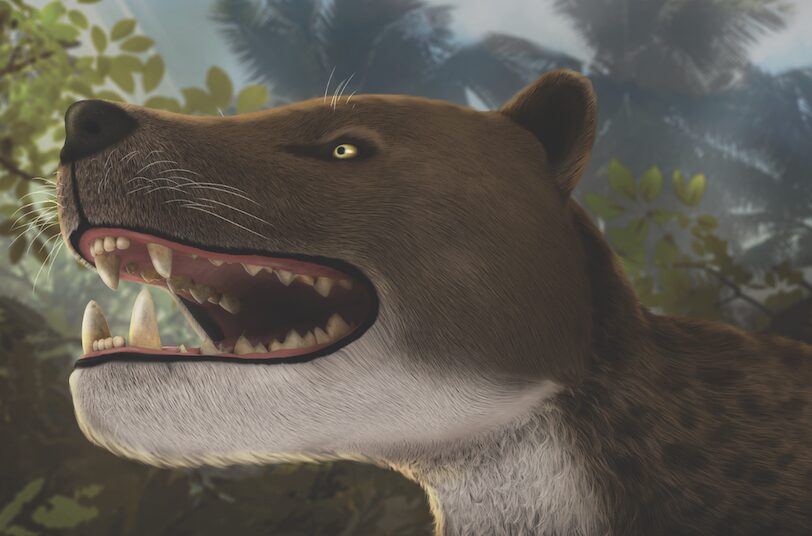
Life reconstruction of Bastetodon, with large canine teeth, a white chin, and brown spotted fur.

30-million-year-old Skull Reveals Previously Unknown Species of Apex Carnivore

By Taylor Nicioli, CNN. Originally published on CNN Science on January 17, 2025. Read the original here.  Learn more about the DLC’s collaborations with Egyptian paleontologists, including the study’s lead author Shorouq Al-Ashqar, on pages 44-47 of LEMURS Magazine: The “Where” Issue. An apex carnivore was ‘king of the ancient Egyptian forest’ then mysteriously went […]

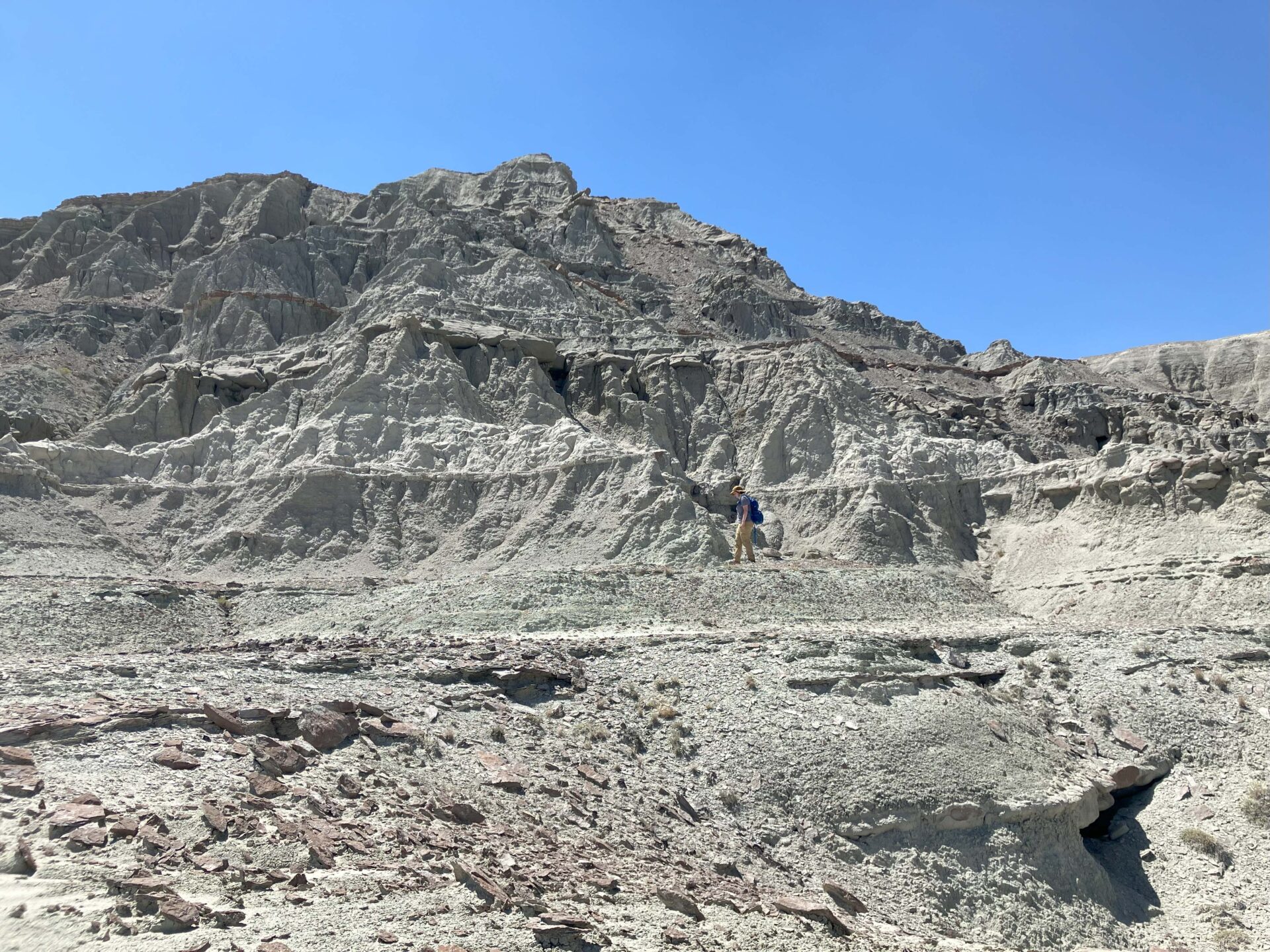
A paleontologist dressed in field gear is barely visible against the backdrop of a gray rocky cliff face in Wyoming.

Why Duke University’s Lemur Center Travels To Wyoming Every Summer

By Andrew Rossi. Originally published in Cowboy State Daily on December 1, 2024. Scientists from the Duke Lemur Center at Duke University come out to Wyoming every summer to find fossils from the earliest ancestors of modern-day lemurs and primates. They say the Bridger Basin is the Madagascar of the Eocene Period. There are plenty […]

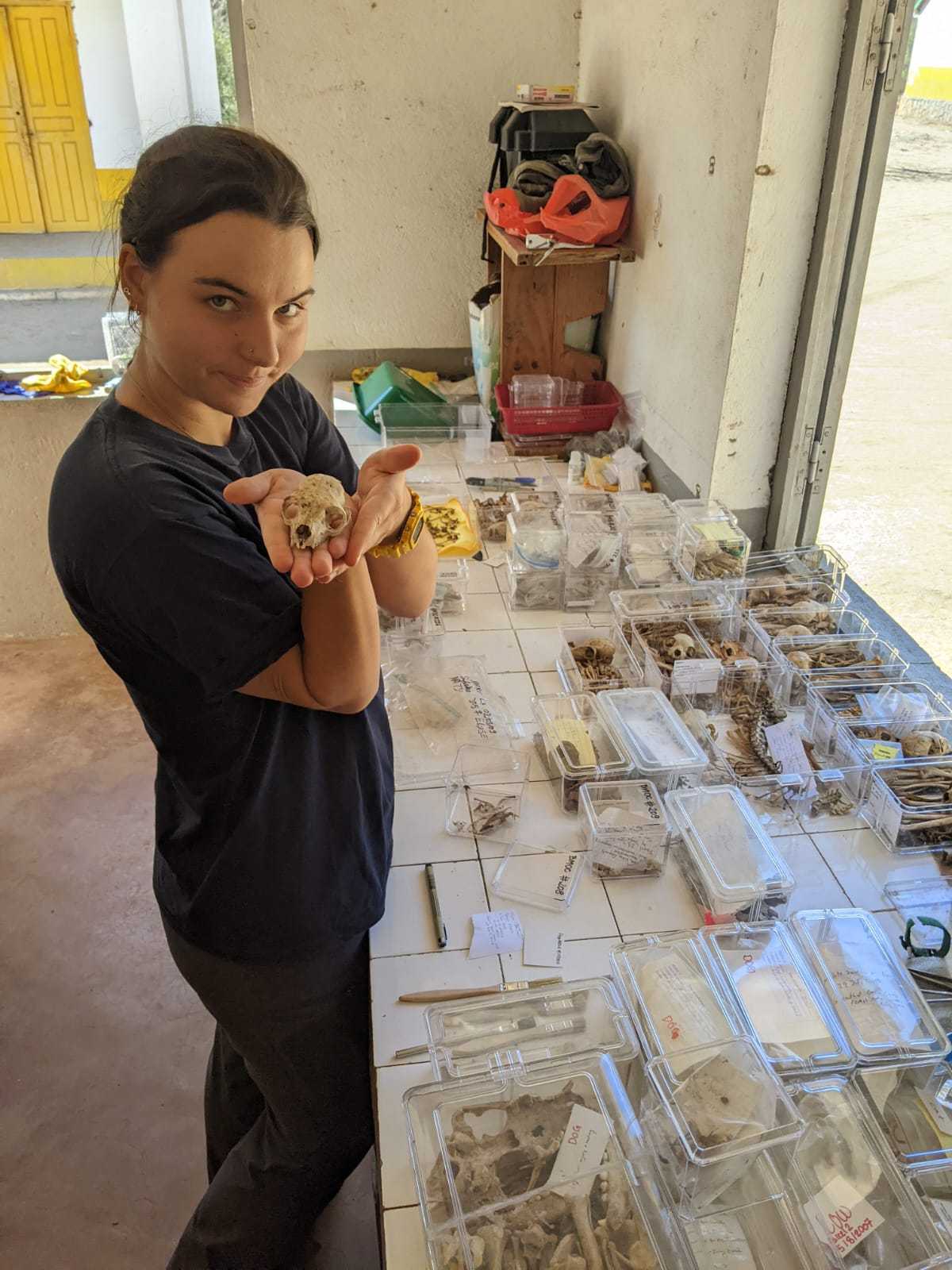
A student wearing a dark t-shirt and pants leans against a workbench and holds a lemur skull in her palm.

STUDENT SPOTLIGHT: Field Research in Madagascar

In the summer of 2024, Duke undergraduate Erika Kraabel traveled to Madagascar to help the DLC Museum of Natural History team collect lemur bones at Bezà Mahafaly Special Reserve, a longstanding research site in southwestern Madagascar. “At the DLC Museum, I’ve been learning the foundations of fossil preparation and have been involved in rehousing the […]

VIDEO: Metacheiromys Fossil Skeleton Revealed

A digital scan reveals the fossil skeleton of Metacheiromys, an extinct mammal from the early to middle Eocene, trapped inside a slab of rock. This specimen was discovered in Wyoming by the Duke fossil team.

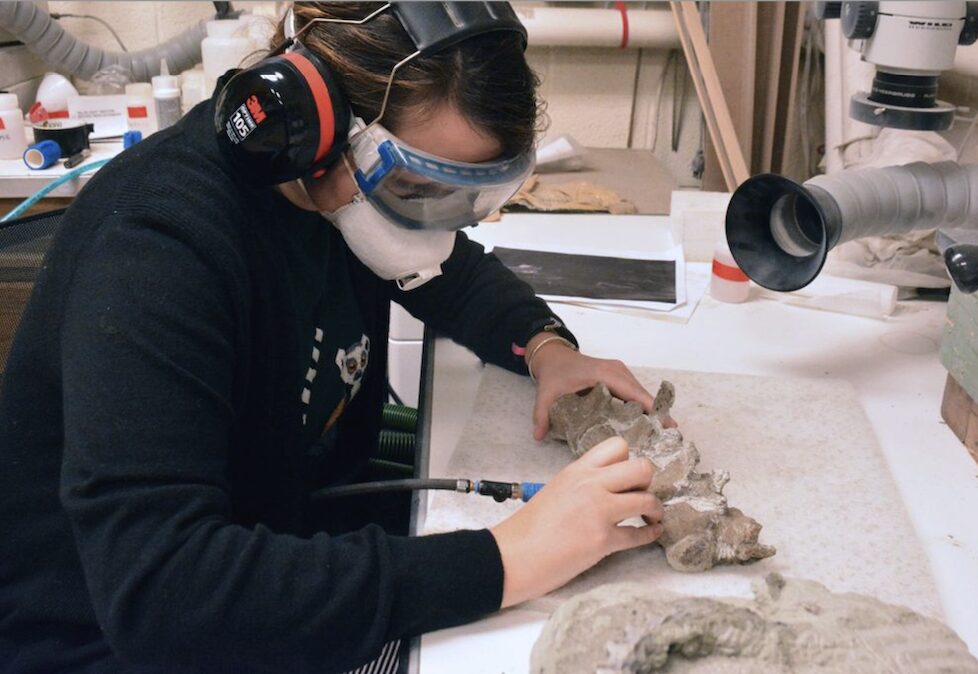
A Duke student with dark brown hair tied in a ponytail, ear protection, mask, and safety glasses bends over a workbench gently chisels at a rock to expose the fossil within.

STUDENT SPOTLIGHT: Research in the DLC Fossil Collection

By Orion Kornfeld with Karie Whitman and Matt Borths, Ph.D. Published in the 2022 Duke Lemur Center annual magazine. Read the original here. The Duke Lemur Center Museum of Natural History (DLCMNH) is the only fossil preparation lab at Duke University. “The fossils at the DLC teach us when, where, and how the ancestors of […]

Two paleontologists wearing field hats examine a tiny fossil in rolling rocky cliffs shaded red, pink, and gray.

STUDENT SPOTLIGHT: Fossil-hunting in the American West

An important part of the Duke Lemur Center’s mission is to inspire and train the next generation of scientists and environmental stewards. To do that, the DLC offers as many opportunities as possible for students to work side-by-side withe the Lemur Center’s researchers, science educators, animal care and veterinary staff, and conservationists. Here, Duke Evolutionary […]

VIDEO: The Life of a Fossil

Ren Collins, a summer intern with the DLC Museum of Natural History, traveled with the Duke fossil team to Wyoming in 2023. There, Ren captured drone footage of the badlands to tell the story of fossils from the field to the museum.

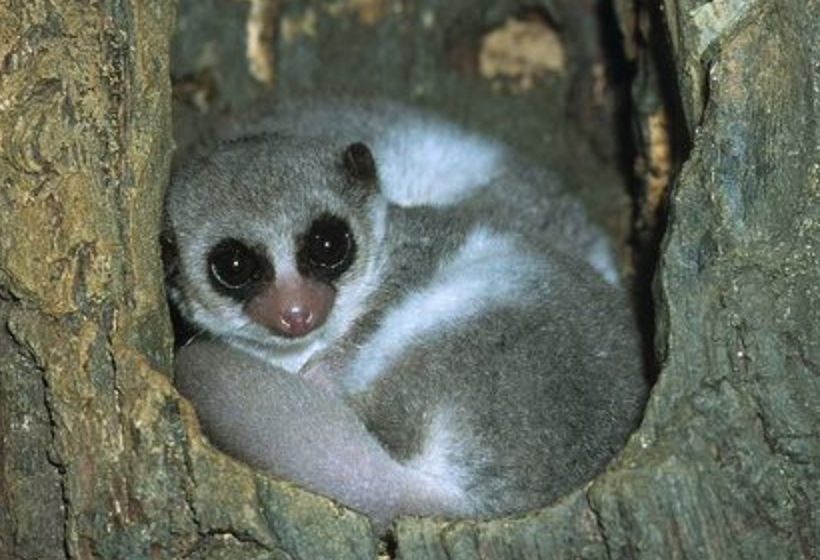
Screenshot of the article "Lemur Dreams," white text on a black background paired with a picture of a dwarf lemur peeping out of a hollow log.

Lemur Dreams: Is Hibernation an Elixir of Life?

Why do dwarf lemurs live so long—and can humans, too? By Peter Klopfer, Ph.D., Co-founder of the Duke Lemur Center and Professor Emeritus of Biology at Duke University. Originally published on pages 14-15 of LEMURS Magazine: The “Why” Issue in February 2024. When fat-tailed dwarf lemurs enter hibernation at temperatures below 25°C, they show little or no […]