Executive Director Greg Dye reflects on witnessing conservation success firsthand in Madagascar. Posted on September 15, 2026.
One of the greatest privileges of my role as Executive Director is the opportunity to spend time in Madagascar and be a part of our mission at work firsthand. This summer, I immersed myself in our conservation programs in Madagascar. The experience reinvigorated my commitment to expanding the reach and impact of our Madagascar programs.
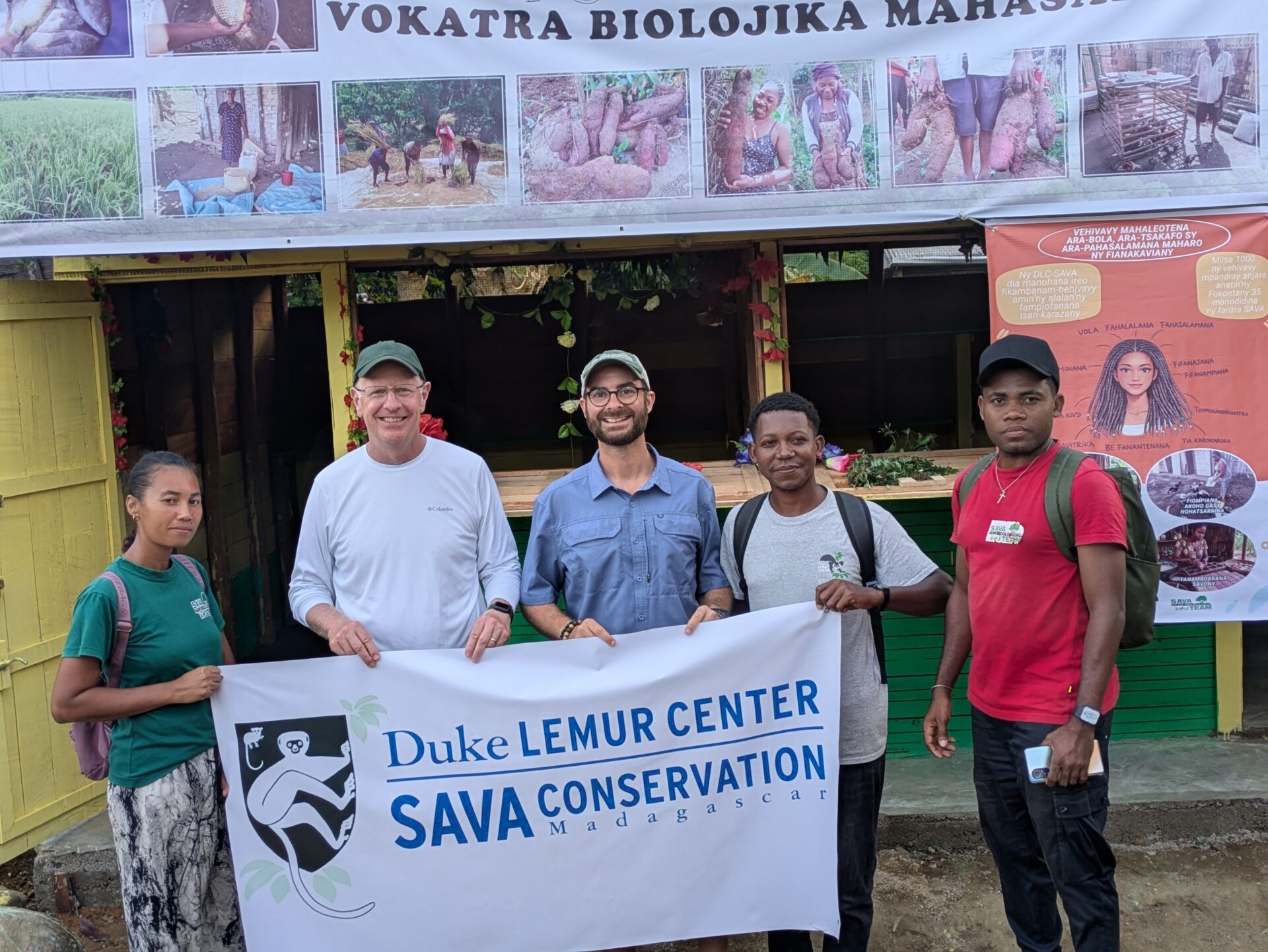
DLC Director Greg Dye met the many Duke Lemur Center Conservation Director, Dr. James Herrera.
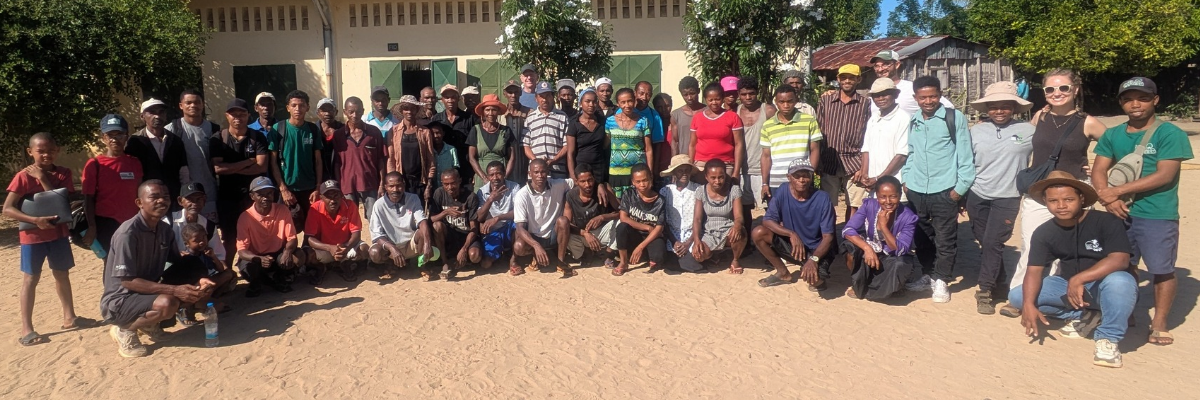
During my visit to our DLC-SAVA Conservation project in June, I had the chance to visit several rural communities where our conservation team has been working for over a decade. I met the local village leaders and farmers who have partnered with us to restore hundreds of acres of forest. Many of the landscapes we visited were barren just a decade ago. I visited some of them just three years ago and found them at a promising starting point. Today, they are filled with young trees supporting a blossoming ecosystem that has welcomed lemurs and other wildlife back after a long absence.
Since 2021, our team worked alongside diverse group of partners, including local decision-makers like mayors, community leaders, farmers, teachers and students, and even military personnel, to plant and care for more than 350,000 new trees. Year after year, they work side by side with the people of the SAVA to restore the forest, piece by piece. The coordination, perseverance, and sheer amount of work required to make this possible often go unnoticed. Seeds must be collected from existing forests, nurseries established to grow tens of thousands of plants each year, and thousands of holes dug to plant the saplings. Newly planted trees must then be watered, composted, and carefully tended for years to give them the best possible chance of survival.
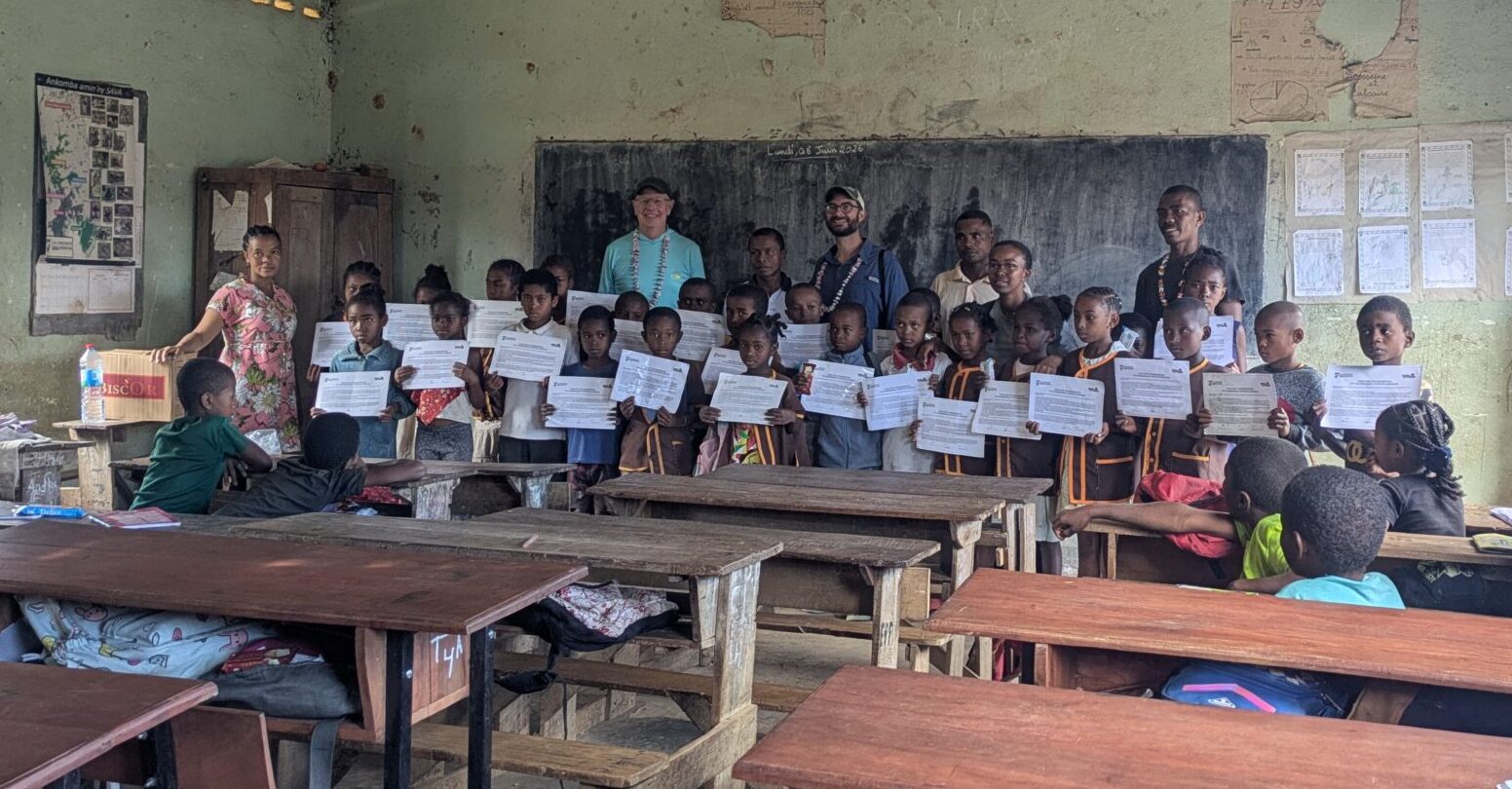
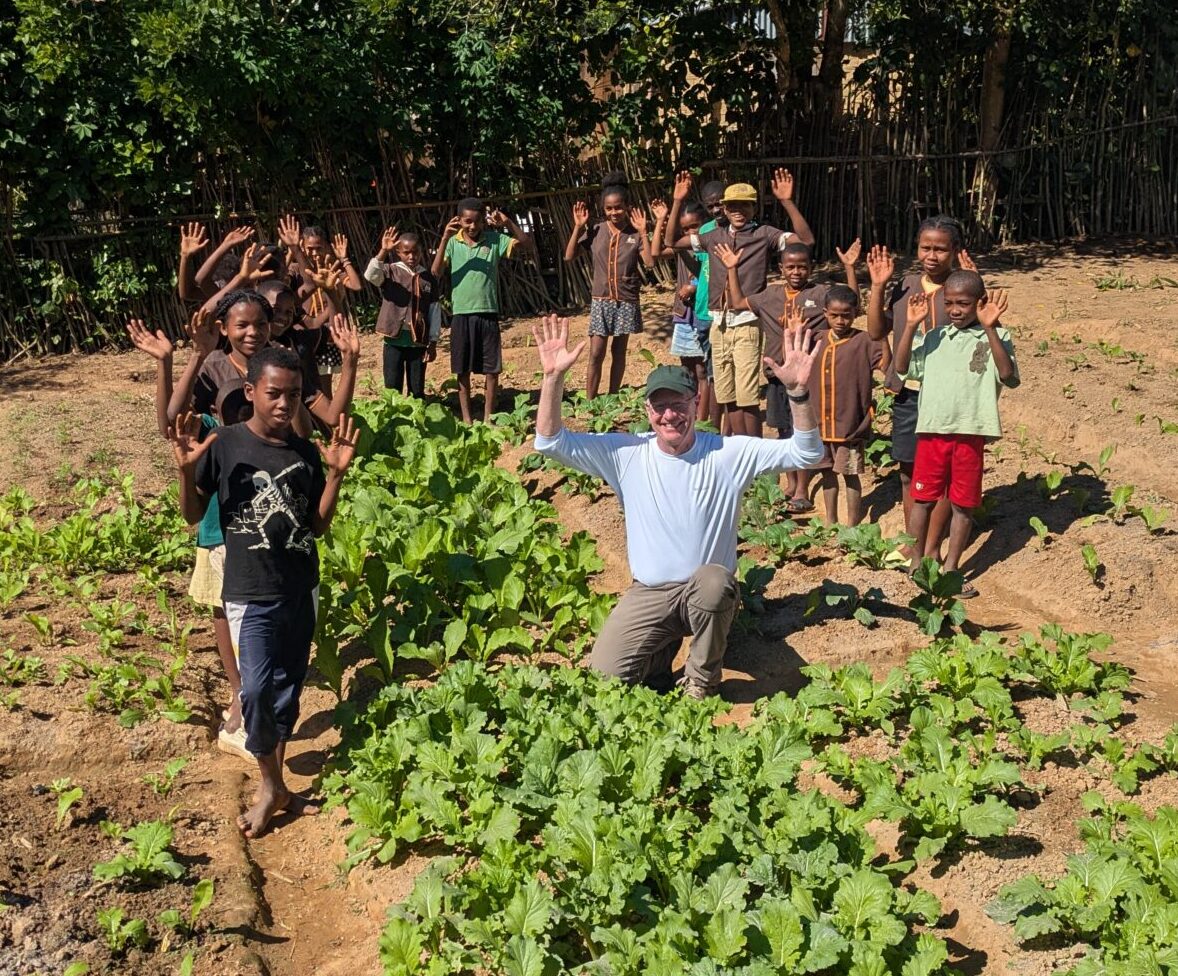
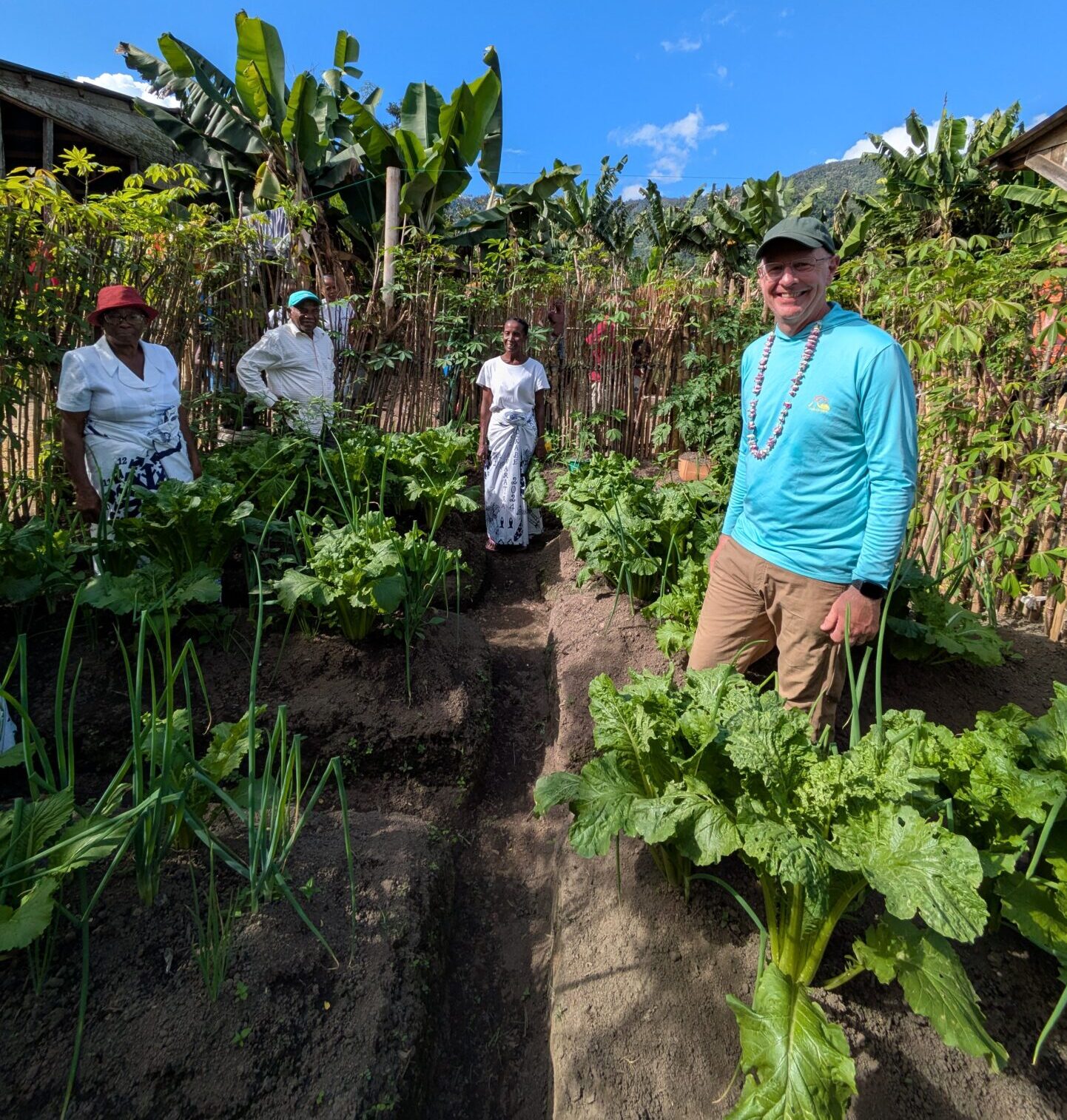
In addition to landscape restoration, I enjoyed seeing children learn about lemurs through our environmental education programs. I also saw the pride on faces of people who showed me their gardens, chicken coops, and fish ponds, and I visited our new Ambanitaza Protected Area and research station. All this work is managed and overseen by the Duke Lemur Center’s SAVA Conservation team, and it represents just one of the many programs in their conservation portfolio.
Before returning home, I spent three days with participants on our 2026 Magical Madagascar Ecotour as their journey began. Seeing Madagascar through their eyes was a reminder of just how transformative these experiences can be. James’s enthusiasm and expertise helped bring new perspectives and insights to every encounter, underscoring a message of hope rooted in meaningful connection to people, places, and the tangible results that can be achieved when communities work together toward a common goal.
Related information and links:
Make a donation to support our Madagascar Programs.
The next Duke Lemur Center Magical Madagascar Tour with Duke Travels is being planned for the summer of 2028. Registration will be open later this fall to Duke Lemur Center donors and Duke University’s alumni and donors. To be added to the interest list, contact Nathan McKinnis at Duke Travels nathan.mckinnis@duke.edu.