Skip to content

Fossils

The Next Leap Starts with You: A Message from our Executive Director
Share
Follow Us

The Next Leap Starts with You: A Message from our Executive Director

In this message shared directly with our past donors by email and posted here on November 19, 2026, Duke Lemur Center Executive Director, Greg Dye shares our gratitude for the people and organizations whose support is vital to furthering our impact as a global leader in the study, care, and conservation of lemurs and their […]

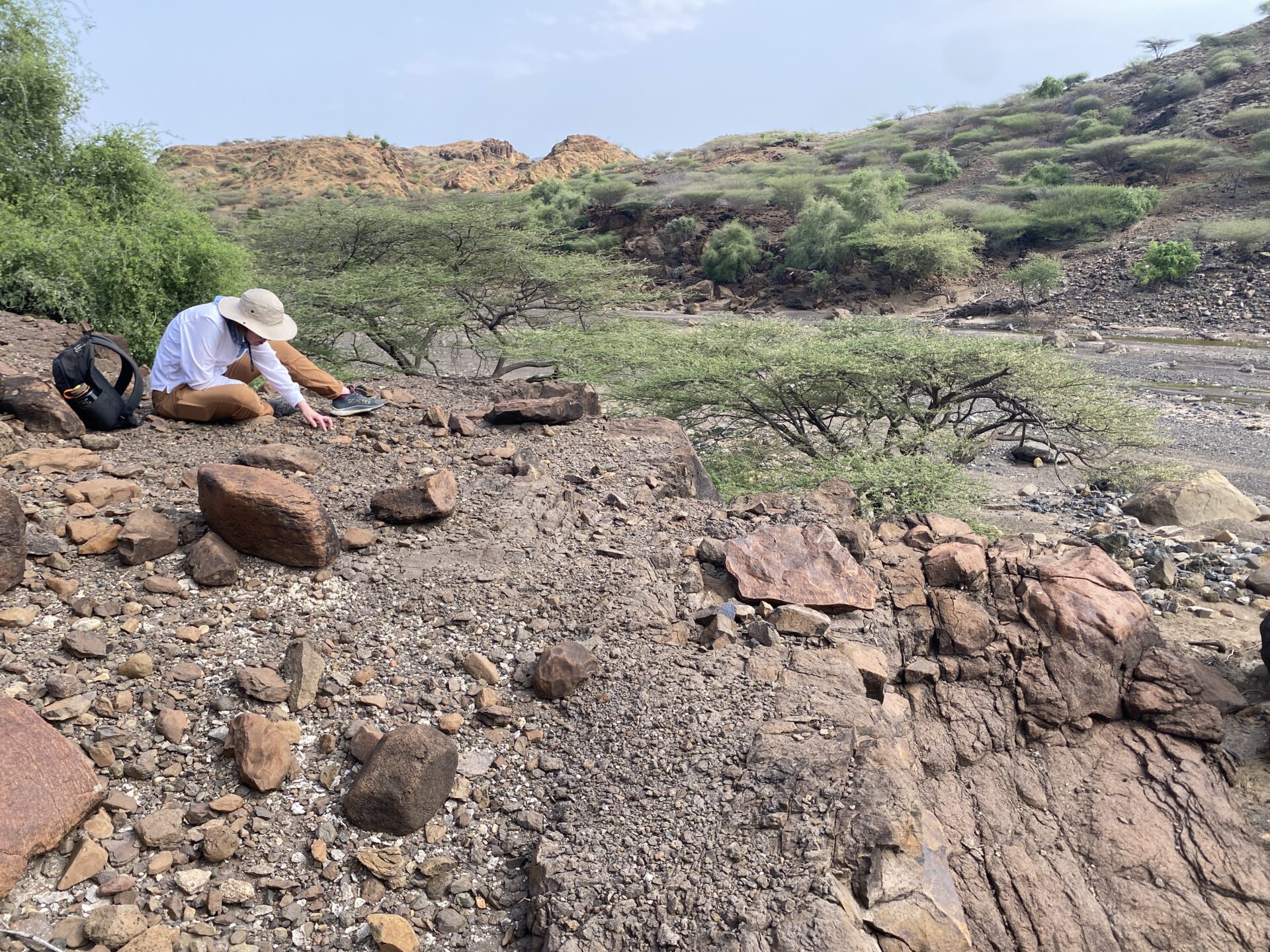
Two people wearing field gear and packs walk across a flat barren landscape toward a steep rocky hill.

“So. Many. Fossils.” Summer 2026 Fieldwork

Between July 6-17, 2026, the entire DLC Museum of Natural History team was in the Green River Basin of Wyoming, searching for the fossils of lemur-like primates that lived in North American forests a few million years after the dinosaurs went extinct. Collaborating with Minnesota-based paleontologist Anne Kort, we explored sites in the high-altitude South […]

Protecting a Global Resource at a Critical Moment

By Greg Dye, Duke Lemur Center Executive Director. Published October 28, 2026. For more than 60 years, the Duke Lemur Center has been a global leader in lemur care, conservation, education, and scientific discovery. Today, it is home to the most diverse population of lemurs outside of Madagascar, serving as an irreplaceable resource for researchers, […]

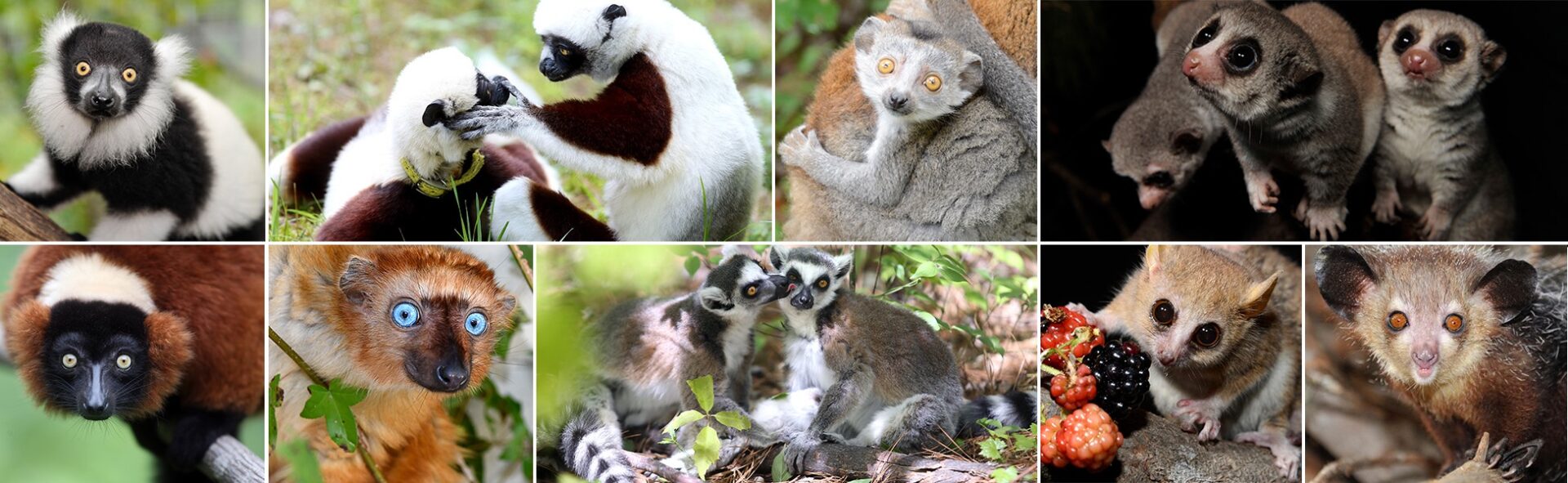
Collage of nocturnal and diurnal species at the DLC

August 2026 Stakeholder Update

Read the Duke Lemur Center’s Stakeholder Update, sent to our donors on August 26, 2026. Questions? Contact Mary Paisley, DLC Development Director, at mary.paisley@duke.edu. August 2026 Stakeholder Update Sunshine, one of the DLC’s black and white ruffed lemurs, demonstrating “splooting” (stretching out) on the forest floor. The fur around her abdomen is not as fluffy […]

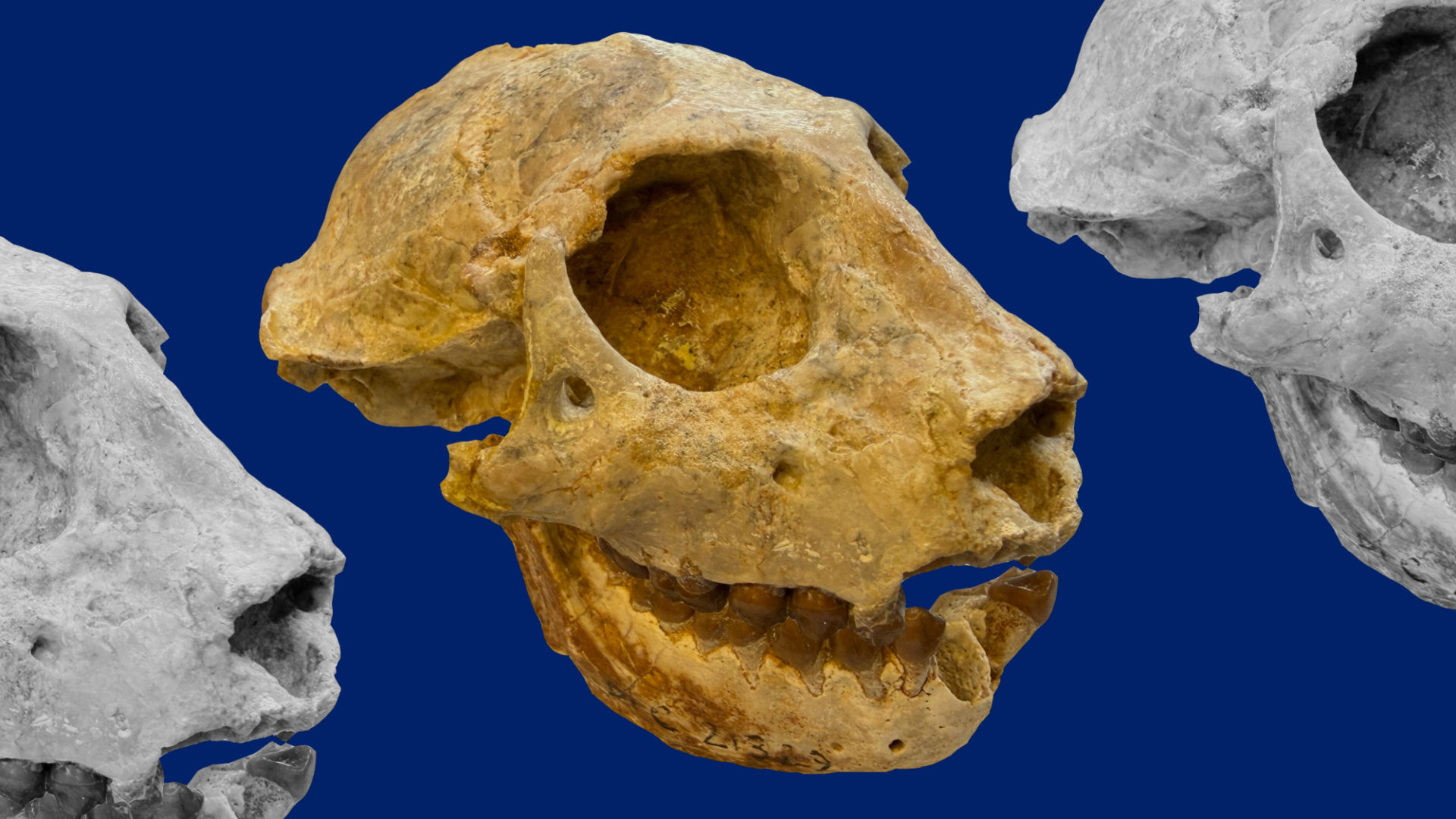
A tan-colored fossil skull against a background of Duke Royal Blue.

New Research: Reliance on Vision Drove Varied Brain Development in Primates

Fossil study finds that vision—not the ‘thinking’ frontal lobe—drove varied brain development in primates By Fedor Kossakovski, University Communications & Marketing. Published August 7, 2026. View the original. A new study led by a Duke University scientist overturns a long-held idea about how primates, including humans, came to have such large and sophisticated brains. The research finds […]

Topernawi: A New Site with Ancient Insights

By Matt Borths, Ph.D., Curator of the DLC Museum of Natural History. Originally published in LEMURS Magazine: Reasons for Hope in February 2026. I was a dinosaur kid. I loved getting books from the library filled with weird dinosaur names and fun facts. This blizzard of ancient Greek and solid numbers led me to believe […]

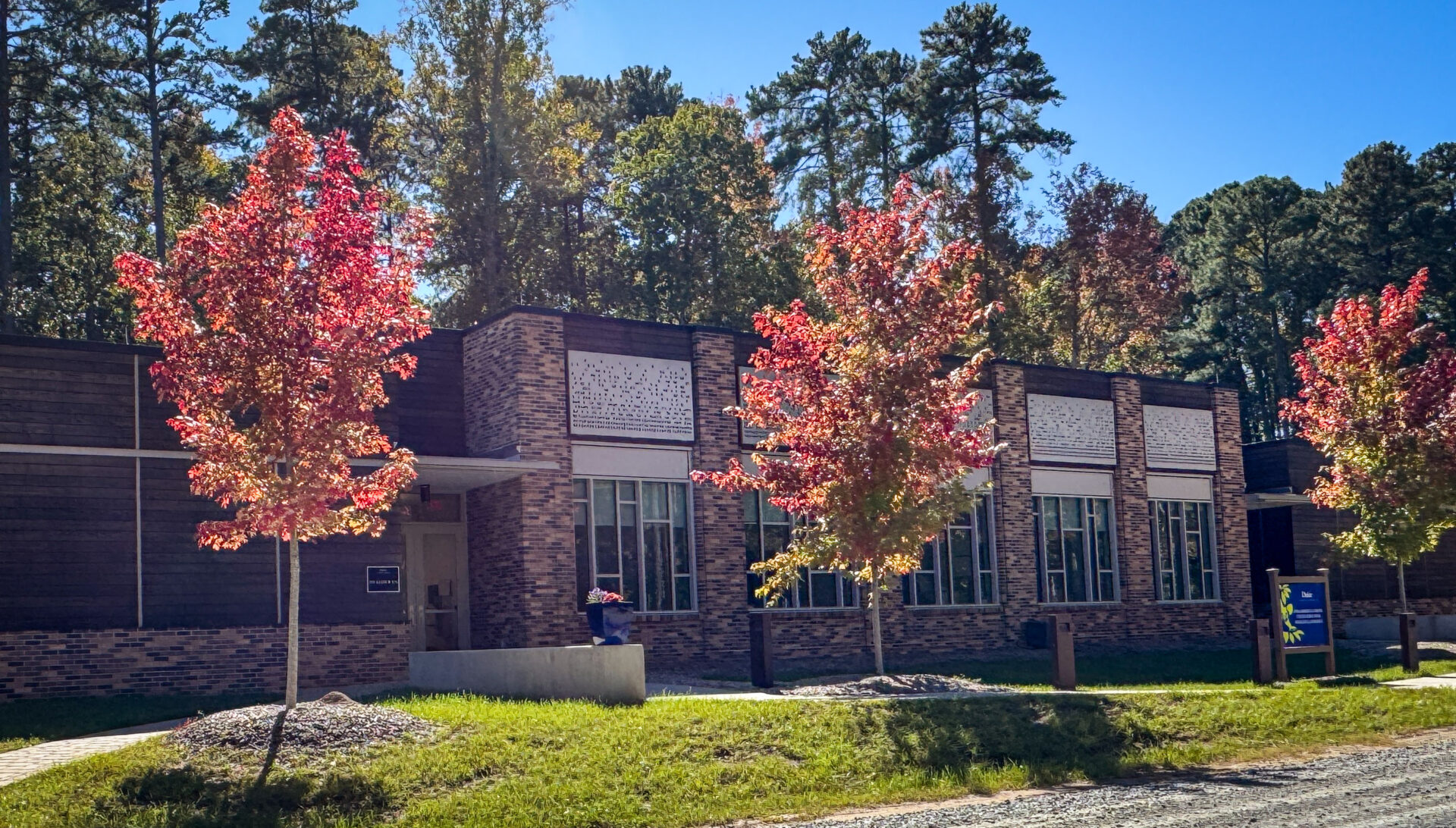
A large, one-level brick building during an autumn afternoon, with red-leafed trees in the foreground.

Stakeholder Update: January 2026

Read the Duke Lemur Center’s Stakeholder Update, sent to our donors on January 20, 2026. Questions? Contact Mary Paisley, DLC Development Director, at mary.paisley@duke.edu. 

Paleontology at the DLC with Exploring By The Seat Of Your Pants

Posted 11/11/25. Learn all about paleontology with DLC Museum of Natural History Curator Matt Borths! On 11/24/25 from 1:00-1:45pm ET, Exploring By The Seat Of Your Pants will be hosting a livestream with Matt. Matt is a paleontologist who studies the evolution of animals in Africa, particularly the evolution of carnivorous mammals – including some […]