Search Our Site

Research

Share
Follow Us

Infant Announcement: TRIPLETS born at the Duke Lemur Center!

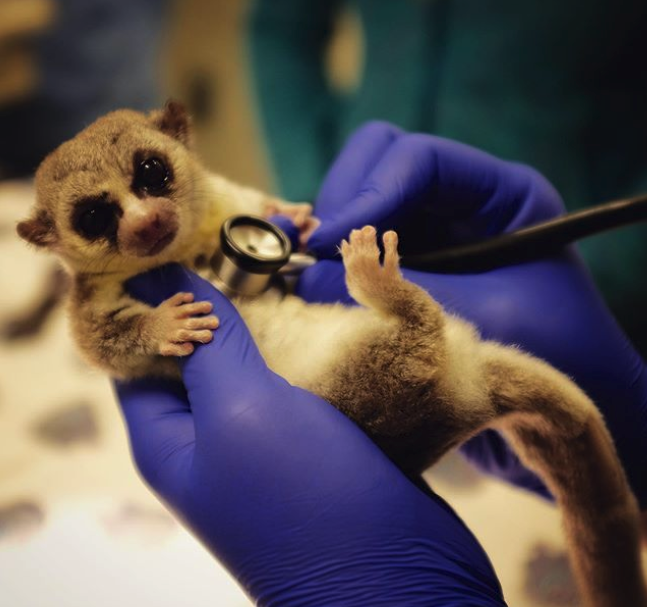
Meet the newest members of the DLC family: fat-tailed dwarf lemur triplets Elephant Bird, Albatross, and Bustard! This tiny trio was born on June 25, 2019 to parents Emu and Kookaburra. (If you haven’t guessed yet, all of the DLC’s dwarf lemurs are named after birds, and our newest arrivals are no exception!) Momma Emu […]

Studying Dwarf Lemur Hibernation: Research expedition to Madagascar

By DLC research scientists Marina Blanco, Ph.D. and Lydia Greene, Ph.D. While the DLC lemurs are coping with the heat of a Durham summer, many of their kin in Madagascar are currently using feats of physiology to survive frigid winters. The rainforests of Madagascar’s high plateau can sit at 1700m (~5600 feet) above sea level. […]

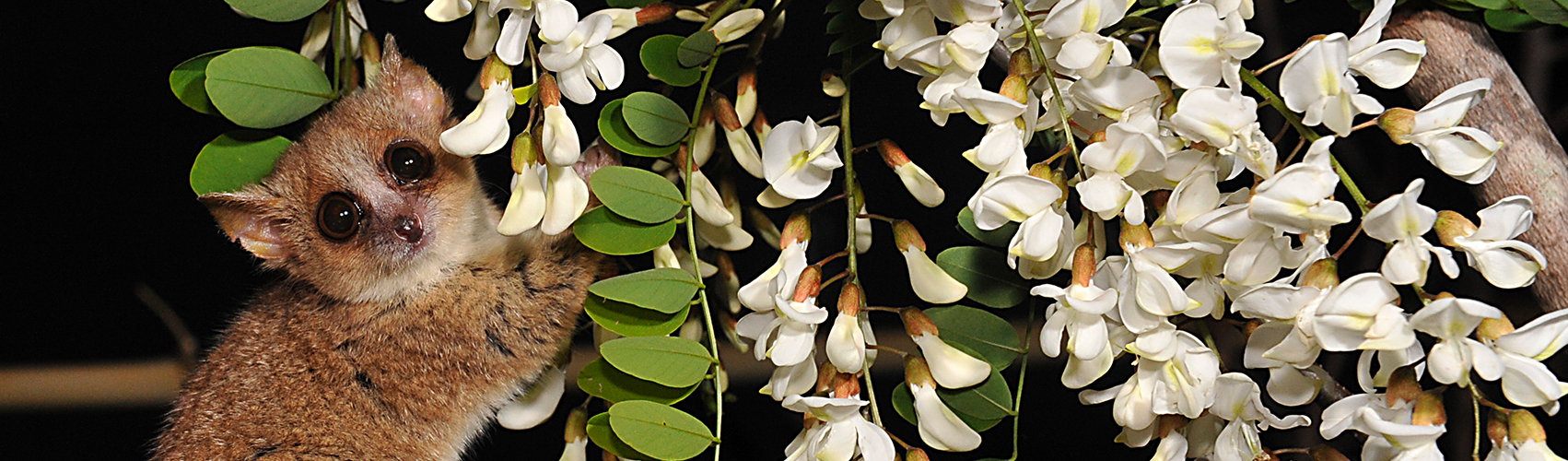
A tiny brown lemur with big dark eyes nibbles on a white flower

Want to put your old smartphone to good use? Consider donating it to the DLC!

“Calling” all lemur lovers! 📞 Want to put your old Android phone to good use? The DLC is looking for donations of Android phones to use with our mouse lemurs and touchscreen cognition studies! In the past, researcher Ray Vagell has used tablet computers for touchscreen color vision research with ruffed lemurs; now, we’d like […]

Fossil Friday: Babakotia, an extinct sloth lemur

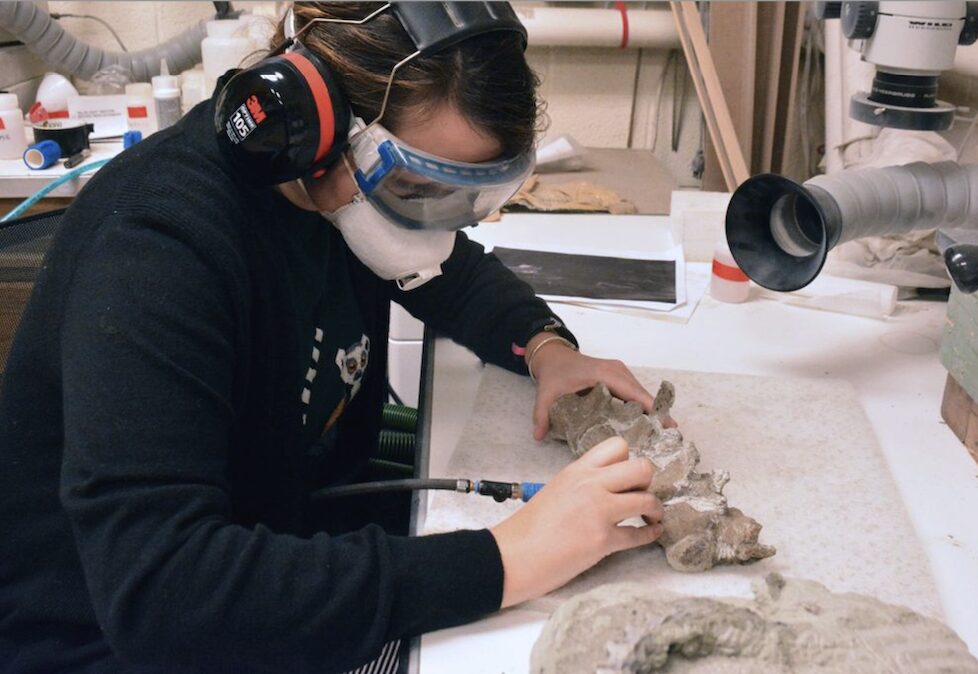
By Matt Borths, Curator of the Duke Lemur Center’s Division of Fossil Primates. Happy #FossilFriday! (Or #TGIFF as we say at the Division of Fossil Primates!) Today we’re seeing double as Vicki, our fossil preparator,* finishes a cast of Babakotia, an extinct lemur that was built like a sloth! The name Babakotia comes from the Malagasy word for […]

Fossil Friday: Archaeolemur

By Matt Borths, Curator of the Duke Lemur Center’s Division of Fossil Primates. This jaw is from the extinct giant lemur Archaeolemur, which means “ancient lemur” even though it probably only went extinct a few centuries ago in Madagascar. Like all lemurs, Archaeolemur has a tooth comb, a forward-facing fusion of its incisors and canines. That […]

Save the lemurs! Eat the crickets!

By Matt Simon. Published on Wired.com on March 5, 2019: https://www.wired.com/story/save-the-lemurs-eat-the-crickets. “One group of researchers and conservationists thinks it can also use edible insects to save endangered mammals. They’ve spent the past few years developing a program to encourage the people of Madagascar—who have historically consumed insects—to re-embrace bugs as a source of protein. That […]

Fossil Friday: Prohylobates, an 18-million-year-old relative of Old World Monkeys

By Matt Borths, Curator of the Duke Lemur Center’s Division of Fossil Primates. In the Division of Fossil Primates at the Duke Lemur Center, we have fossils that can be used to explore all the major branches of the primate family. These two dark specimens are from Prohylobates, an 18-million-year-old relative of Old World Monkeys, the […]

How the sapphire trade is driving lemurs toward extinction

You may have seen news of the out-of-control sapphire mining in recent years in eastern Madagascar and its impact on forests and lemurs, but here is a relatively recent write-up by National Geographic: “How the Sapphire Trade Is Driving Lemurs toward Extinction: A rush for Madagascar’s gemstones is destroying remaining habitat for imperiled lemurs and […]