Search Our Site

Students

Share
Follow Us

Research Experience for Undergraduate Students in Madagascar – Part II

Independent research by local scientists making a difference in the SAVA region By Andolalao Rakotoarison, Tanjona Ramiadantsoa, Thio Rosin Fulgence, and James Herrera   Science is a fundamental part of society, yet it is often an exclusive field. To be a scientist requires education, which requires the finances of obtaining that education. In low-resource settings […]

New Article Published: Environmental education in Madagascar’s SAVA region

By Drs. Marina Blanco and Lydia Greene A paper on environmental education in the SAVA (northeastern) region of Madagascar, authored by DLC conservation and research staff, has been published in PLoS ONE! The paper highlights the importance of working with primary school students directly, and of designing ways to track and monitor knowledge/perceptions across students […]

NEW ISSUE: 2019 Annual DLC Magazine — Read Online!

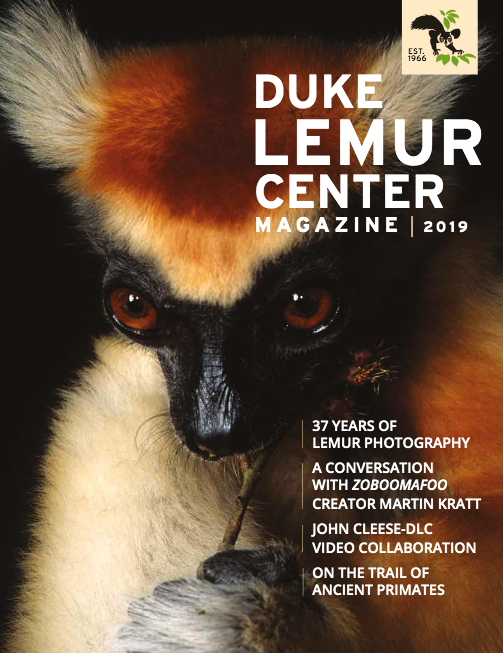
Extra, extra! Read all about it! The second annual DLC Magazine has been published, and it is GORGEOUS! Special features include: A 37-year photo retrospective: Nearing retirement, longtime DLC photographer David Haring picks all-time favorite photos from the past 37 years — and shares the stories behind the shots Attention Zoboomafoo and Wild Kratts fans: Martin […]

Three New Programs Launched: Advancing lemur care and management in Madagascar

By Vanessa Moss, Duke Research Communications Intern and Andrea Katz The launch of three brand-new training programs The DLC’s bond with Madagascar has grown even stronger this year with the launch of three training programs that promise to improve lemur care and welfare in both the lemurs’ native and adoptive homes. This spring, through our […]

VIDEO + AUDIO: What do lemurs sound like?

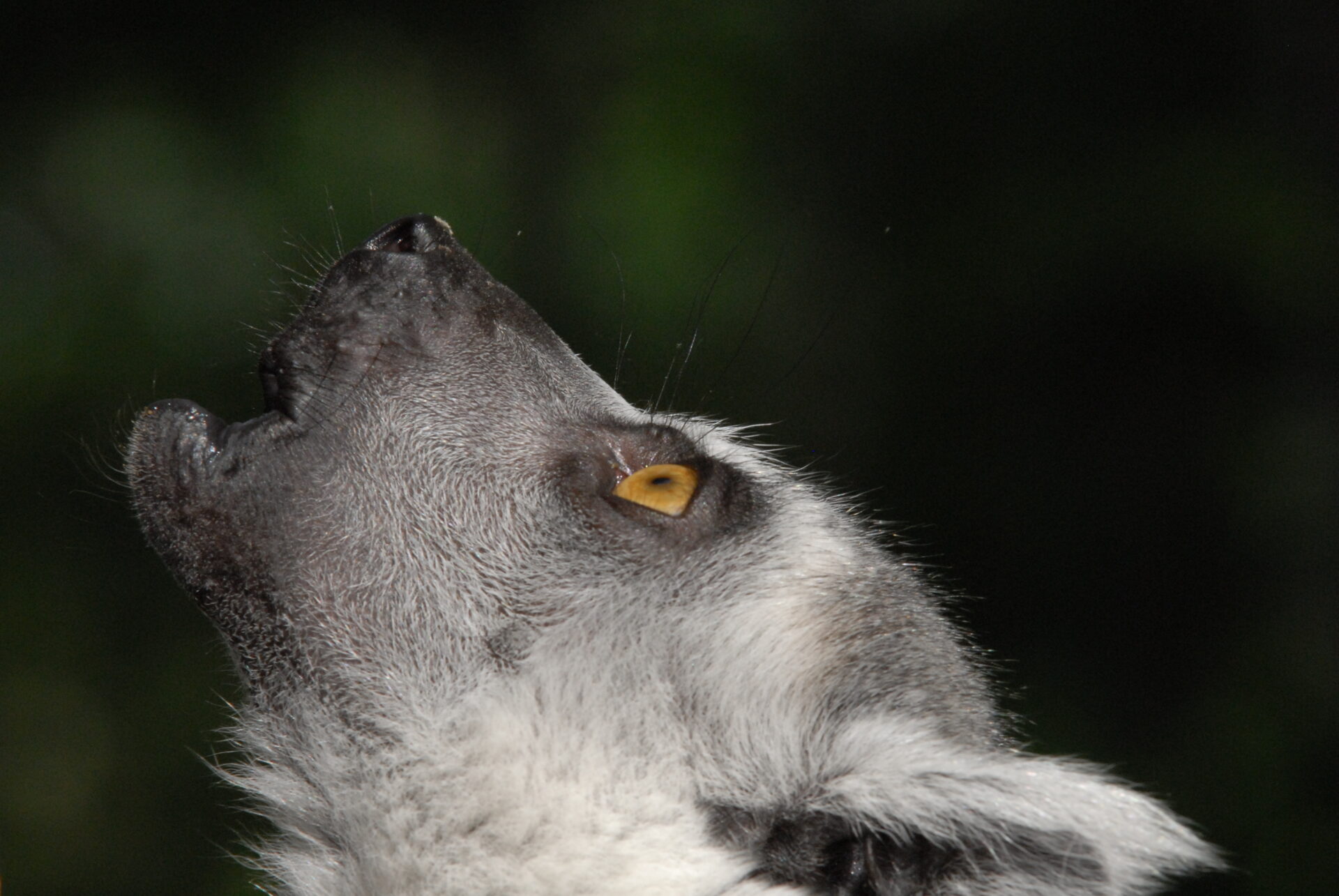
By Will Goodwin, 2019 Communications Intern Have you ever wondered what a lemur sounds like? If so, then this video — which is chock full of shrieks, grunts, barks, moos, eeps, and trills — is for you! Lemurs communicate using scent, sight, and sound. Each species has its own “vocabulary” of vocalizations, which may be […]

Notes from the Field: Work-study student Patrick travels to Madagascar

This summer, we were extremely fortunate to have two outstanding undergrad student photographers on staff — including Patrick Ross, a work-study student in the Education Department (he was an amazing tour guide) and a member of our research team! A senior at Appalachian State University in Boone, NC, Patrick left this August to study abroad […]

Free Resource for HS Teachers: X-rays of lemurs’ hands help students get a handle on mathematical patterns

Attention high school teachers: We’re excited to share with everyone a free educational resource from Science Friday that the Duke Lemur Center veterinary team helped make a reality! Check out x-rays of some of our lemurs’ hands (including an aye-aye and a sifaka!) while learning about the mathematical patterns in their fingers: http://sciencefriday.com/fibonacci.

Video: Local high school students visit the DLC

Join local high school students taking part in the Duke Nicholas School of the Environment‘s Environmental Science Summer Program (ESSP) as they learn how they can help save the world’s most endangered mammals! Click HERE or anywhere on the image above to be redirected to YouTube to watch the video. Not only is it educational, […]