Skip to content

Conservation

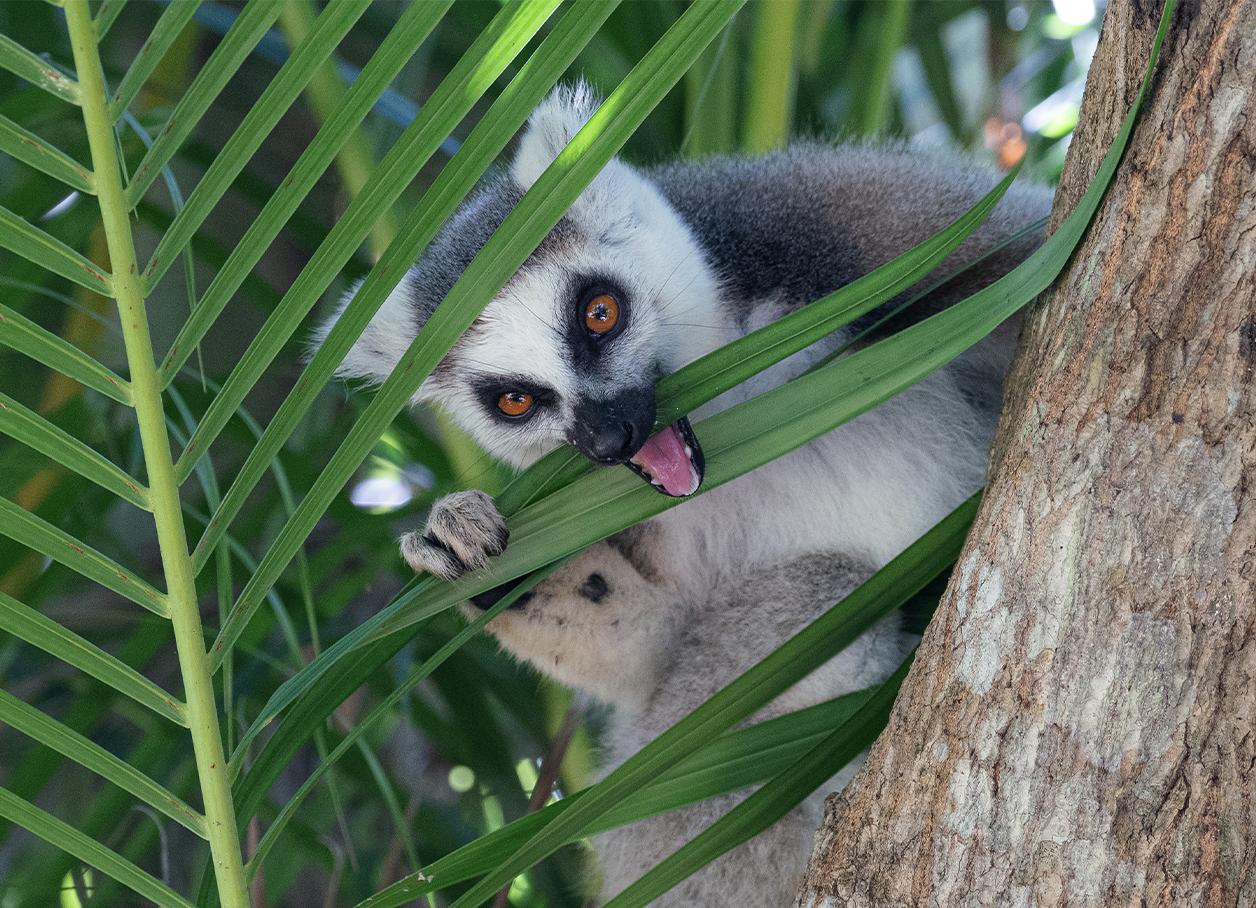
A ring-tailed lemur bites the leaves of a palm frond
Share
Follow Us
A black and white photo of a ruffed lemur in a plastic kennel. Charlie Welch stands on the left, looking dashing with dark hair and his signature moustache; Andrea stands on left smiling at the camera.

From Durham to Madagascar and Back Again: Andrea Katz Retires after 43 Years

From Durham to Madagascar and Back Again: Conservationist and Curator Andrea Katz Retires After 43 Years By Robin Smith, Ph.D., Senior Science Writer, Duke University. Published January 2022 in the DLC Annual Magazine. To most of us, a lemur’s life looks fairly simple. Bask in the sun. Nibble some leaves. Groom with your group. Nap […]
To Europe, Two by Two: Sifaka breeding program expands internationally

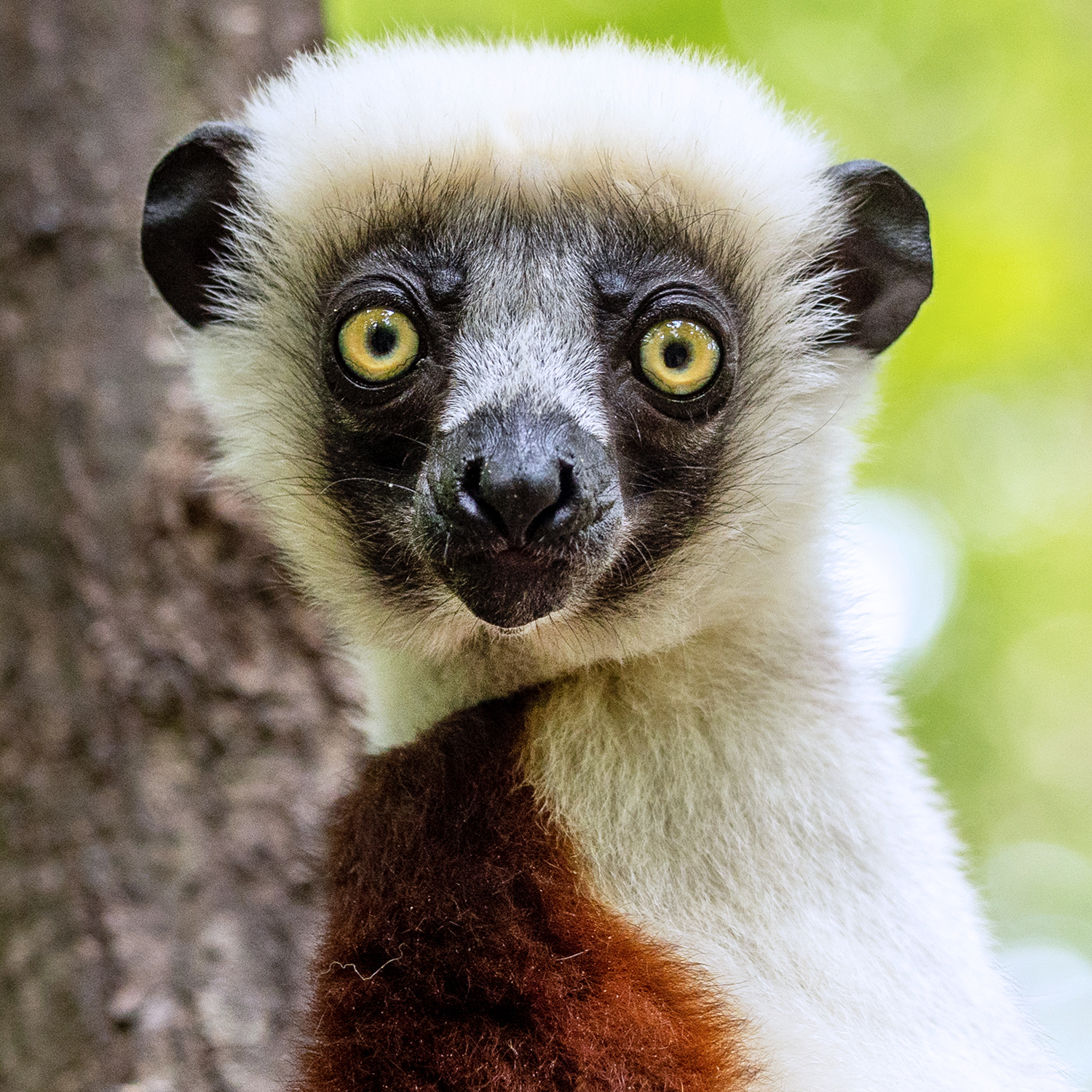
In the summer and fall of 2021, the DLC shipped eight Coquerel’s sifakas to three European zoos, in an historic expansion of the Coquerel’s sifaka conservation breeding program—marking the beginning of a new chapter in lemur conservation. Read more on pages 42-43 of the Duke Lemur Center’s Annual Magazine. Story by Karl Leif Bates. Video […]

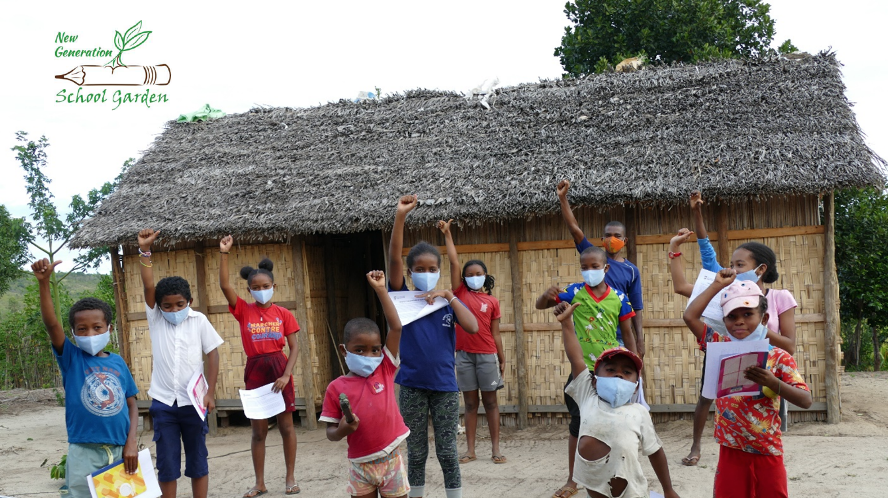
The New Generation School Garden in SAVA, Madagascar

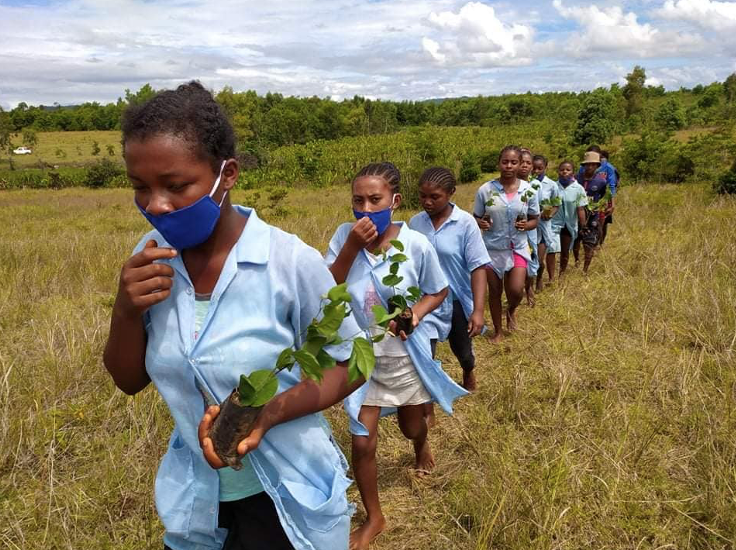
Evrard Benasoavina, DLC-SAVA Conservation Education specialist Environmental education is an important part of conservation activities. In the SAVA region of Madagascar, we at the DLC focus on environmental education with many audiences. As the DLC-SAVA Conservation Education Specialist, I have managed a number of new initiatives to raise awareness for the public about the value of […]

Agriculture, socioeconomics, and food security in the SAVA

What are the links among agriculture, socioeconomics, and food security in the SAVA region of Madagascar? Preliminary report on research results by Nestorine, Ardhilles Andriantinefiarijaona, Esperio Jaozandry, and James P. Herrera   Background Food insecurity, malnutrition, and deforestation are global challenges facing low-and middle-income countries, particularly in the tropics. In 2017, more than 800 million […]

Resilience through Regenerative Agriculture: SAVA Style

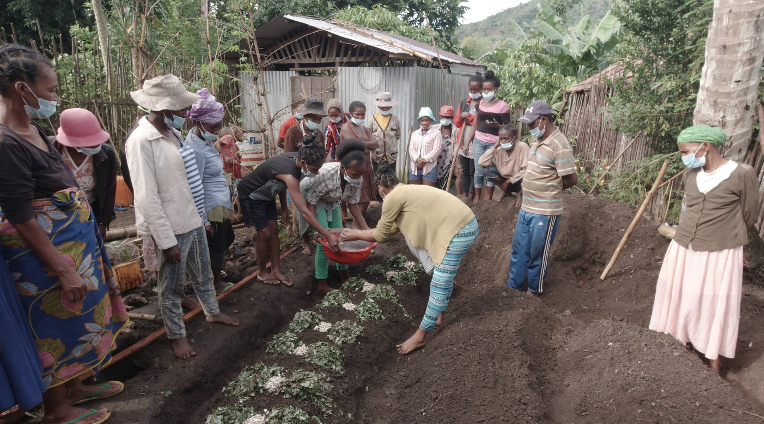
Resilience through Regenerative Agriculture: SAVA Style The latest results on the DLC-CURSA Agroecology program, 2019-2021 By Ardhilles Andriantinefiarijaona, Anicet Elcar Ranaivoson, Nestorine Manantenasoa, Emilien Razafindrabozy, Rostella Christine, Esperio Jaozandry, Donatien Betalata, Nandrasana Judolin Raherison, and James Herrera. Published September 28, 2021. Since 2019, the DLC-SAVA Conservation program has been collaborating with the local university to […]

Research Experience for Undergraduate Students in Madagascar – Part II

Independent research by local scientists making a difference in the SAVA region By Andolalao Rakotoarison, Tanjona Ramiadantsoa, Thio Rosin Fulgence, and James Herrera   Science is a fundamental part of society, yet it is often an exclusive field. To be a scientist requires education, which requires the finances of obtaining that education. In low-resource settings […]

Decade of Restoration in Madagascar

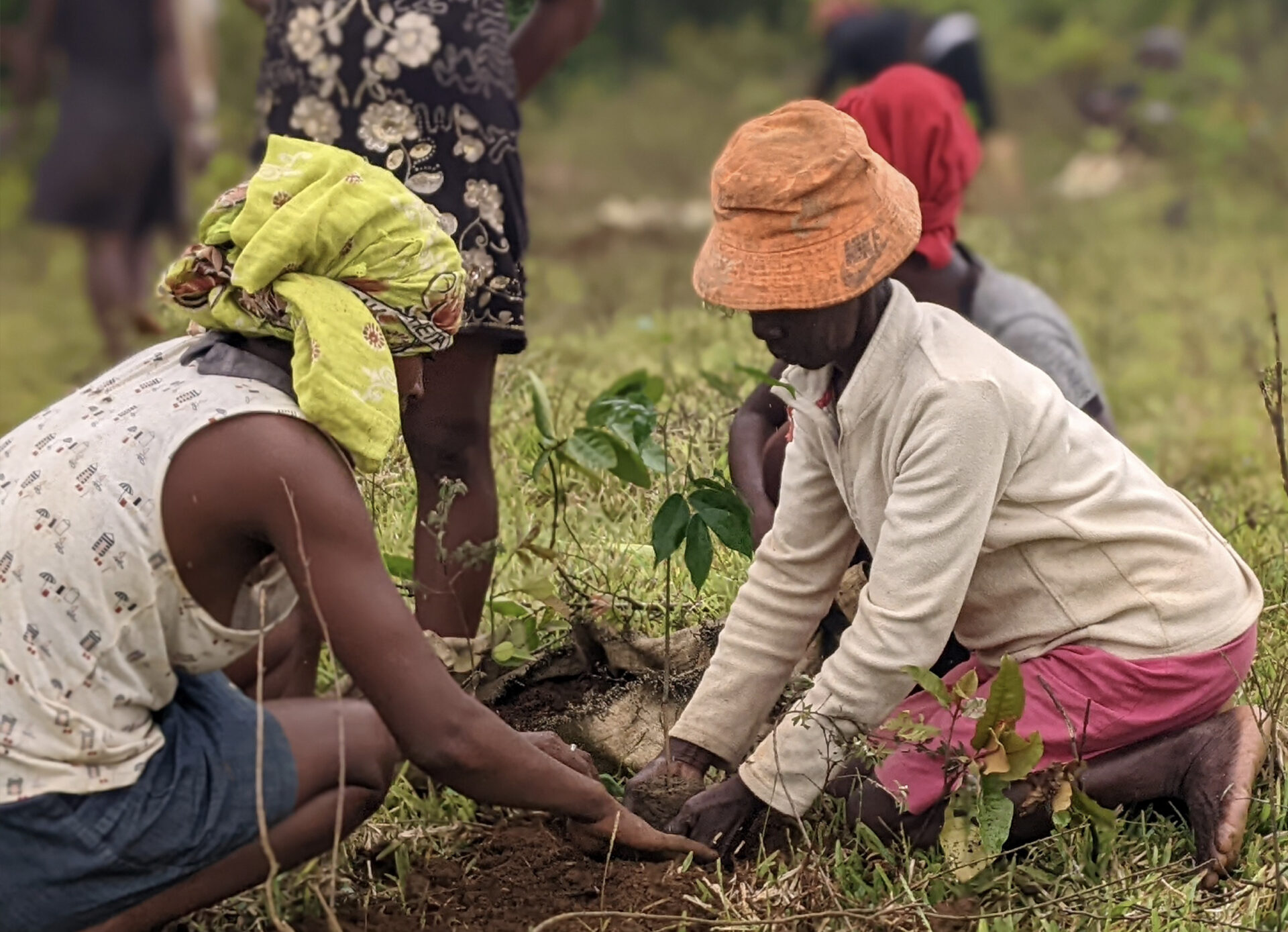
James Herrera, DLC-SAVA Program Coordinator Forests provide countless benefits for wildlife and people, in terms of sequestering carbon, providing food and homes for plants, animals and people, filtering water and supporting healthy soils, to name a few. Despite the importance of natural habitats, especially forests, they have been degraded and destroyed by human activities. That […]

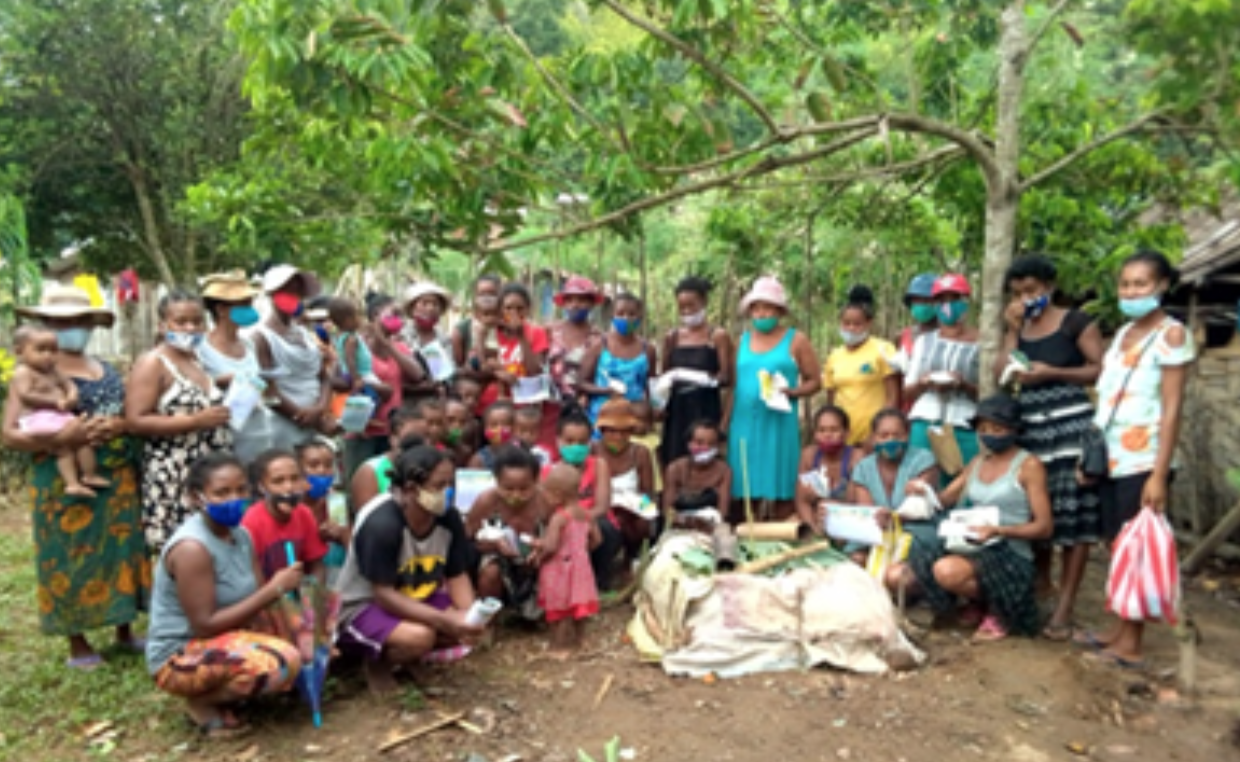
Women posing after a DLC-SAVA workshop

Women’s Farmer Association: Empowering women in sustainable agriculture, SAVA style

By Emilien Razafindrabozy, Rostella Christine, Melsa Stephania Razafindrasoa, and Nestorine Manantenasoa, Centre Universitaire Regional de la SAVA (CURSA). Translated by James Herrera, Ph.D., Program Coordinator for DLC-SAVA Conservation. Published February 23, 2021. Globally, women are essential to the agricultural workforce. Despite this, they are underrepresented in opportunities such as education and formal training, loans and subsidies, […]