Skip to content

Conservation

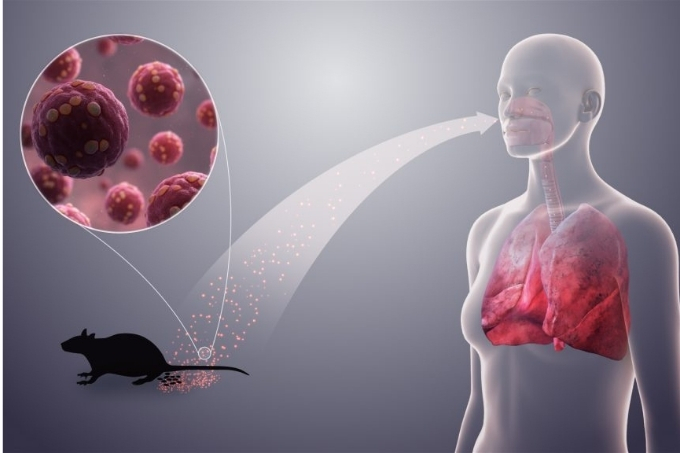
A diagram illustrating the transmission of hantavirus from rodent droppings to humans.
Share

Could Restoring Forests Reduce Disease Risk? A Case Study of Hantavirus in Madagascar

By James Herrera, Ph.D. Originally published in Duke TODAY on April 8, 2025.   COVID-19 continues to plague us, Mpox is an emerging global threat, and the avian flu is decimating industrial poultry as well as endangered wildlife. What do all these epidemics have in common? They originated in wild animals and spread to domestic animals […]


RESEARCHER SPOTLIGHT: Camille DeSisto

Written by Camille DeSisto, Ph.D. candidate at the Duke University Nicholas School of the Environment. Originally published in LEMURS Magazine: The “Where” Issue in February 2025. Ecologists study the relationships between living things, including humans, and their environment. By studying the complex ways that plants and animals are connected to each other and the world around […]


How Changes in Lemur Brains Made Some Mean Girls Nice

By Robin Smith, Ph.D. Originally published on the Duke Research Blog on April 21, 2025. Read the original here. If there was a contest for biggest female bullies of the animal world, lemurs would be near the top of the list. In these distant primate cousins, it’s the ladies who call the shots, relying on physical aggression […]


READ NOW: The “Where” Issue of the DLC Magazine

Who would have thought that a small collection of mixed primates brought to Duke Forest in 1966 would grow into a global force in lemur care, research, and conservation? In LEMURS Magazine: The “Where” Issue, we highlight the work we do around the globe, from North Carolina to Madagascar and everywhere in between!