








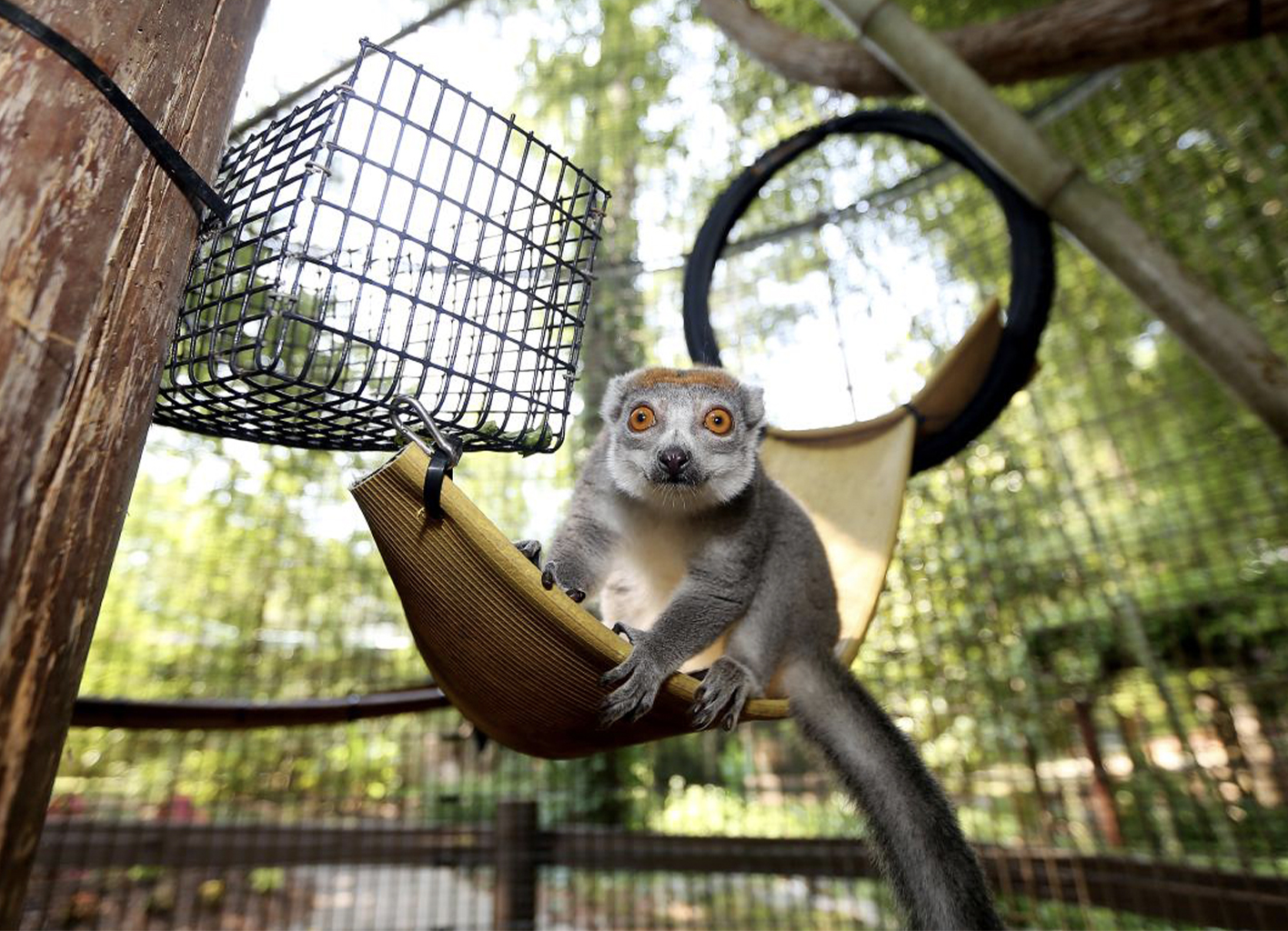




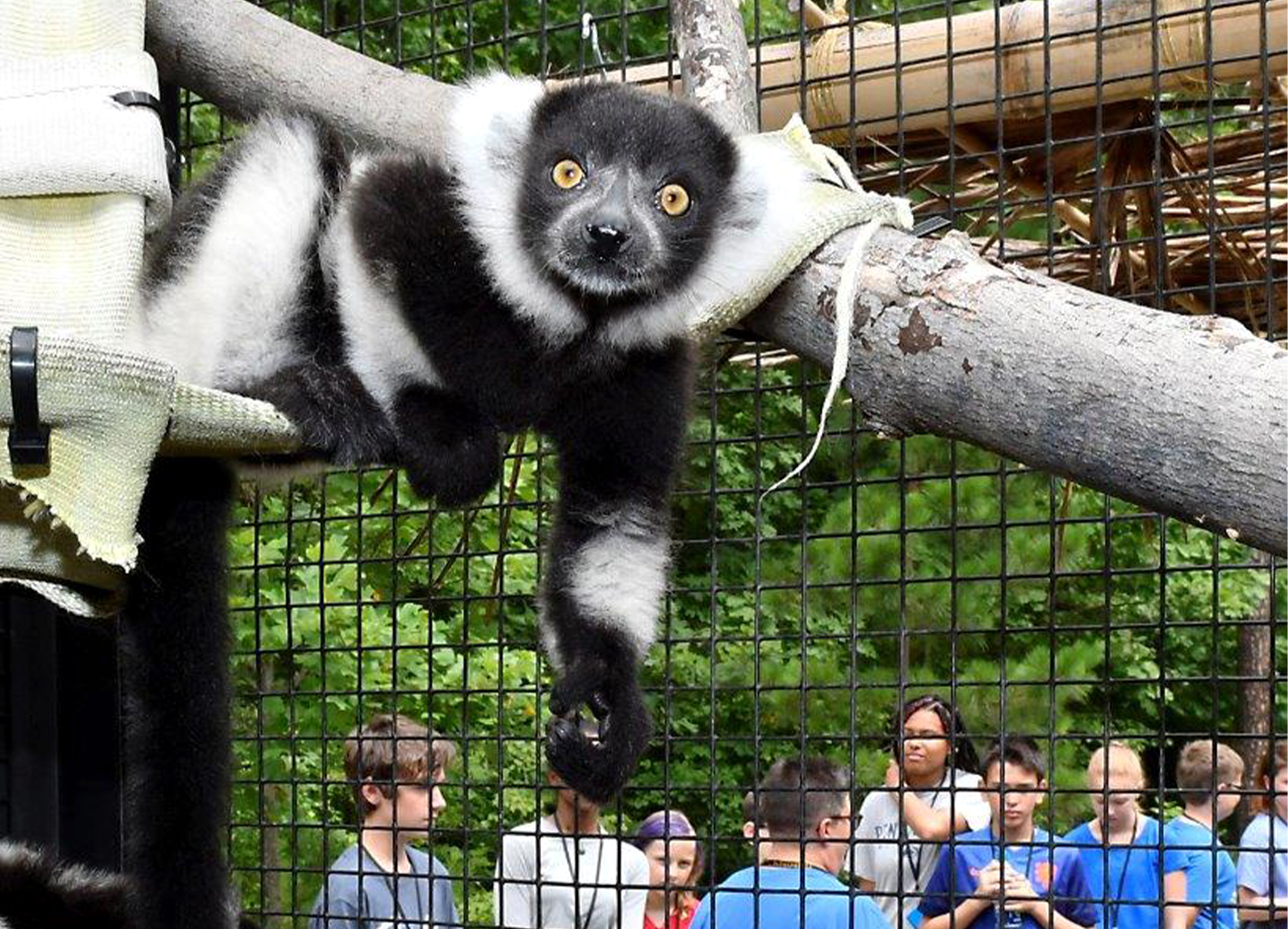
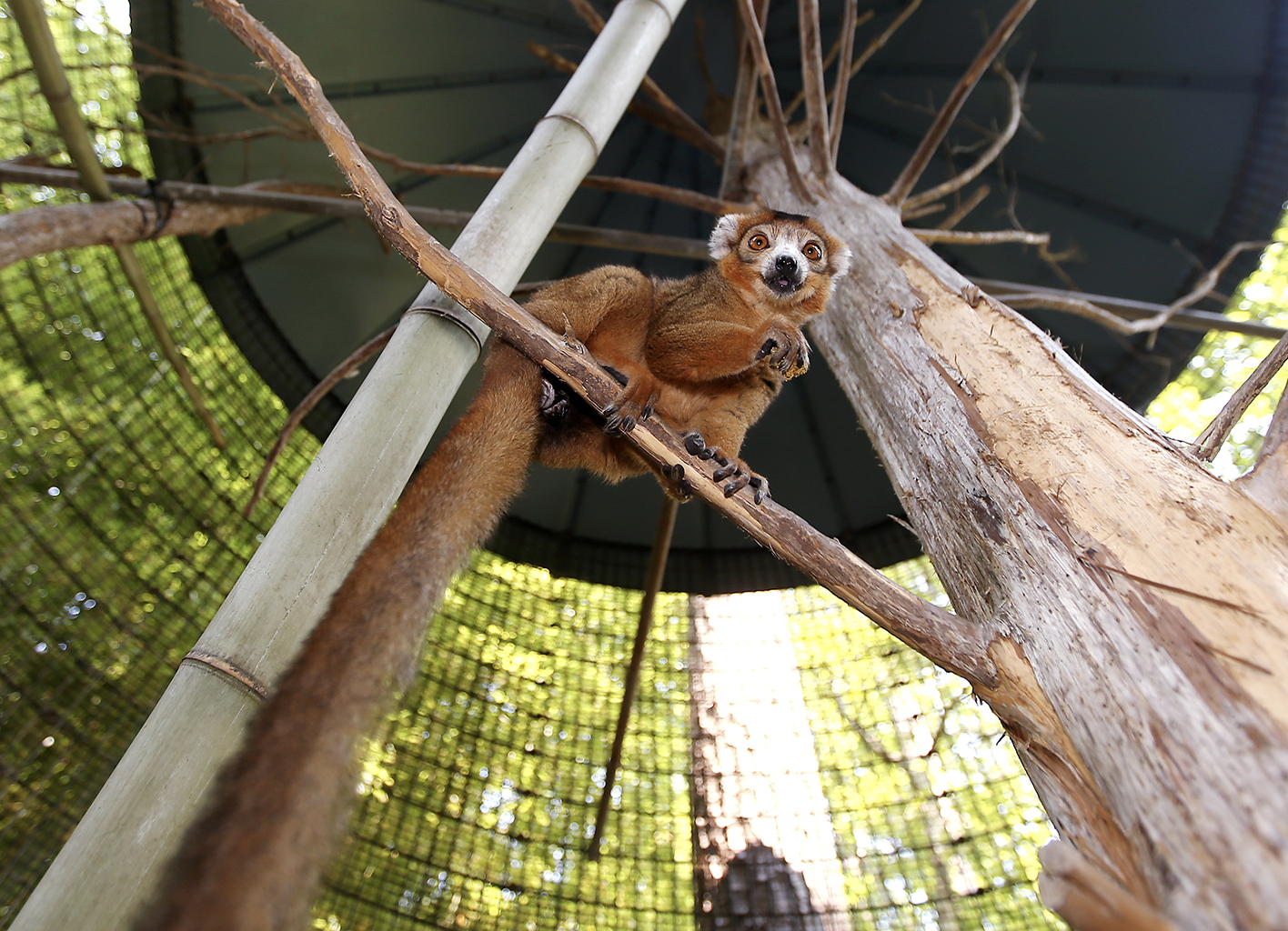


The Duke Lemur Center is located on 100 acres in Duke Forest approximately two miles from Duke University’s main West Campus, the famed “Gothic wonderland” and the academic and residential heart of Duke.
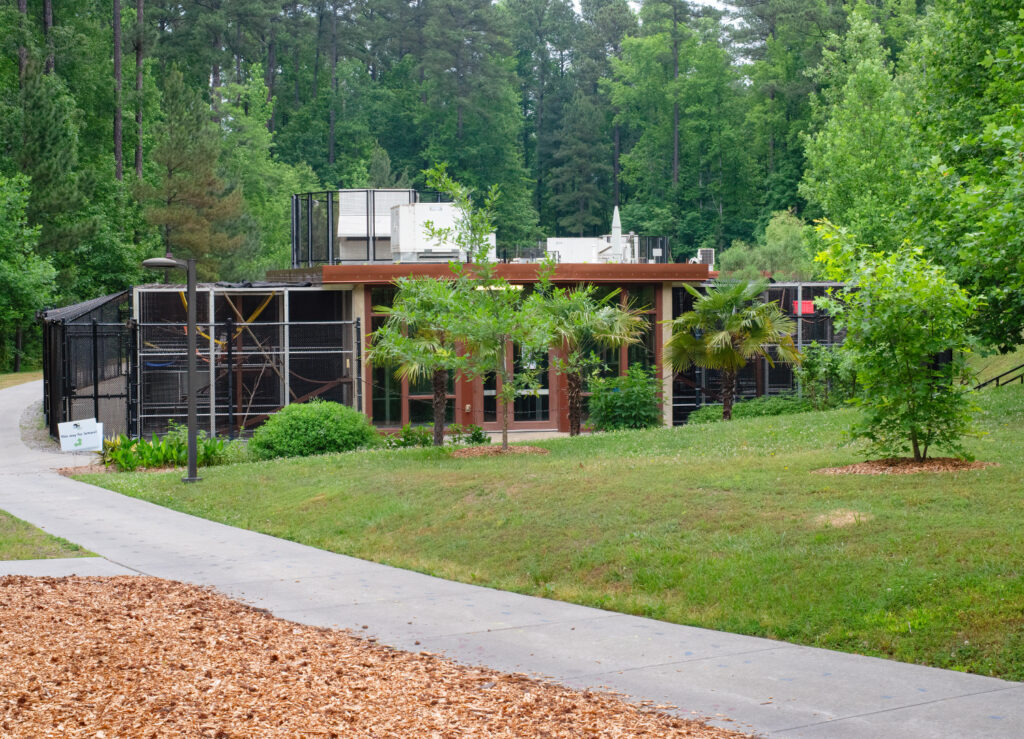
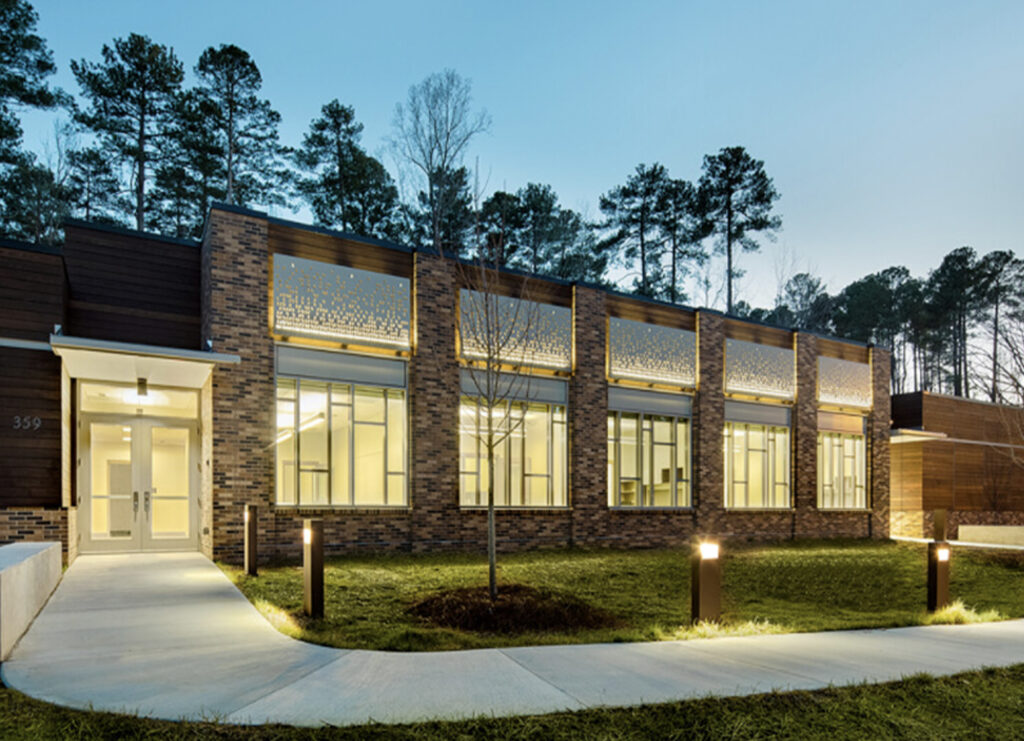
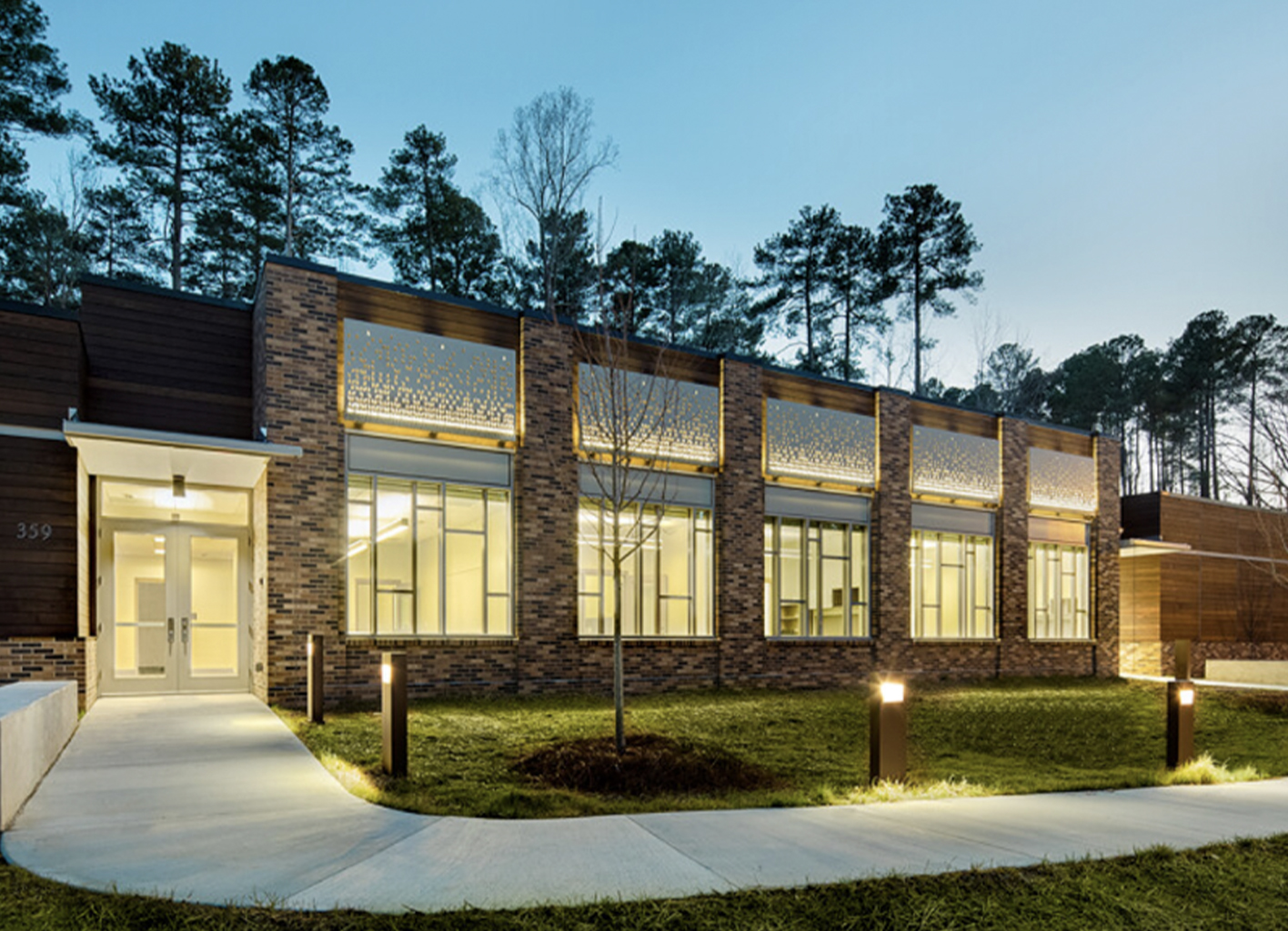
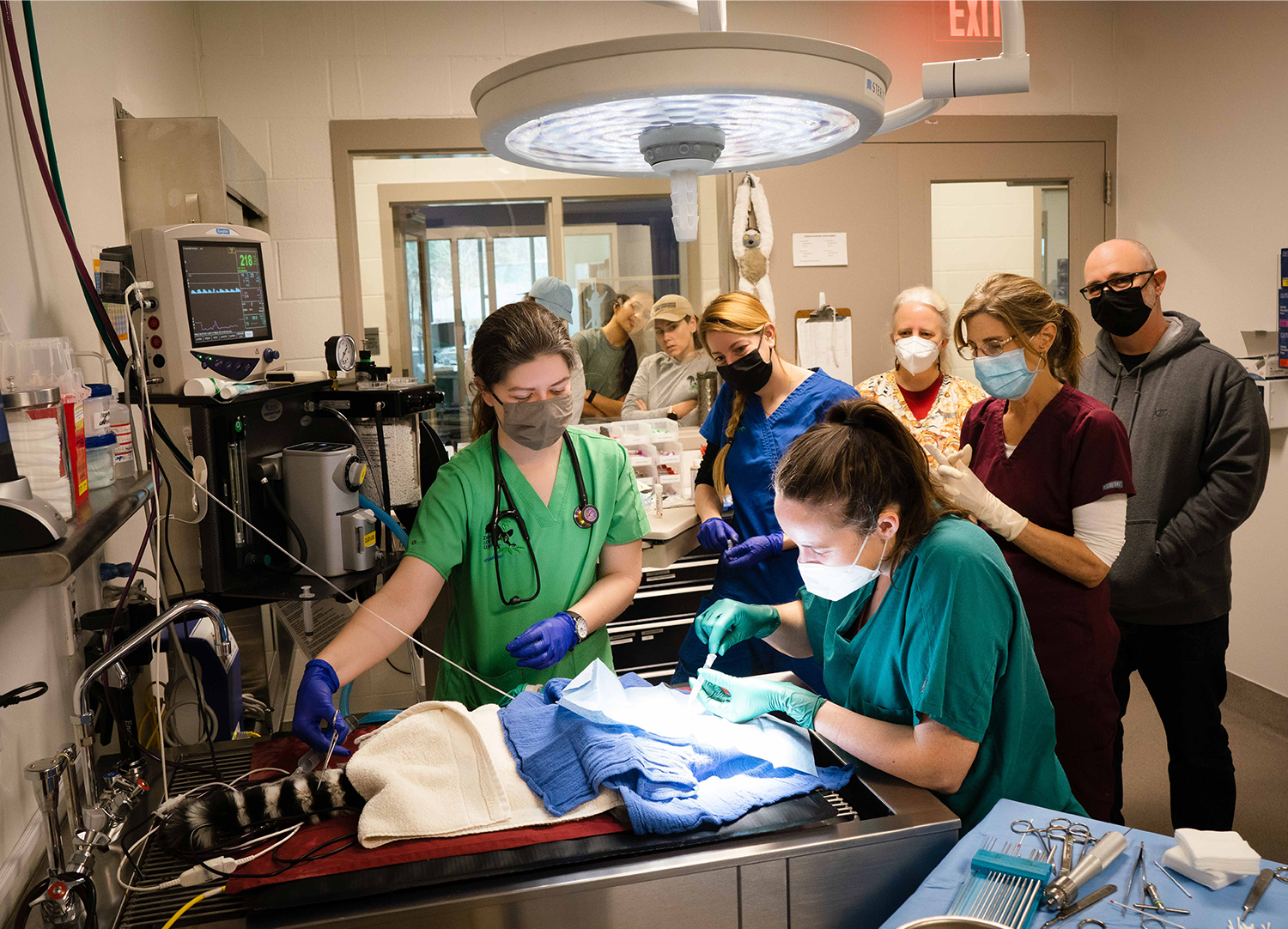
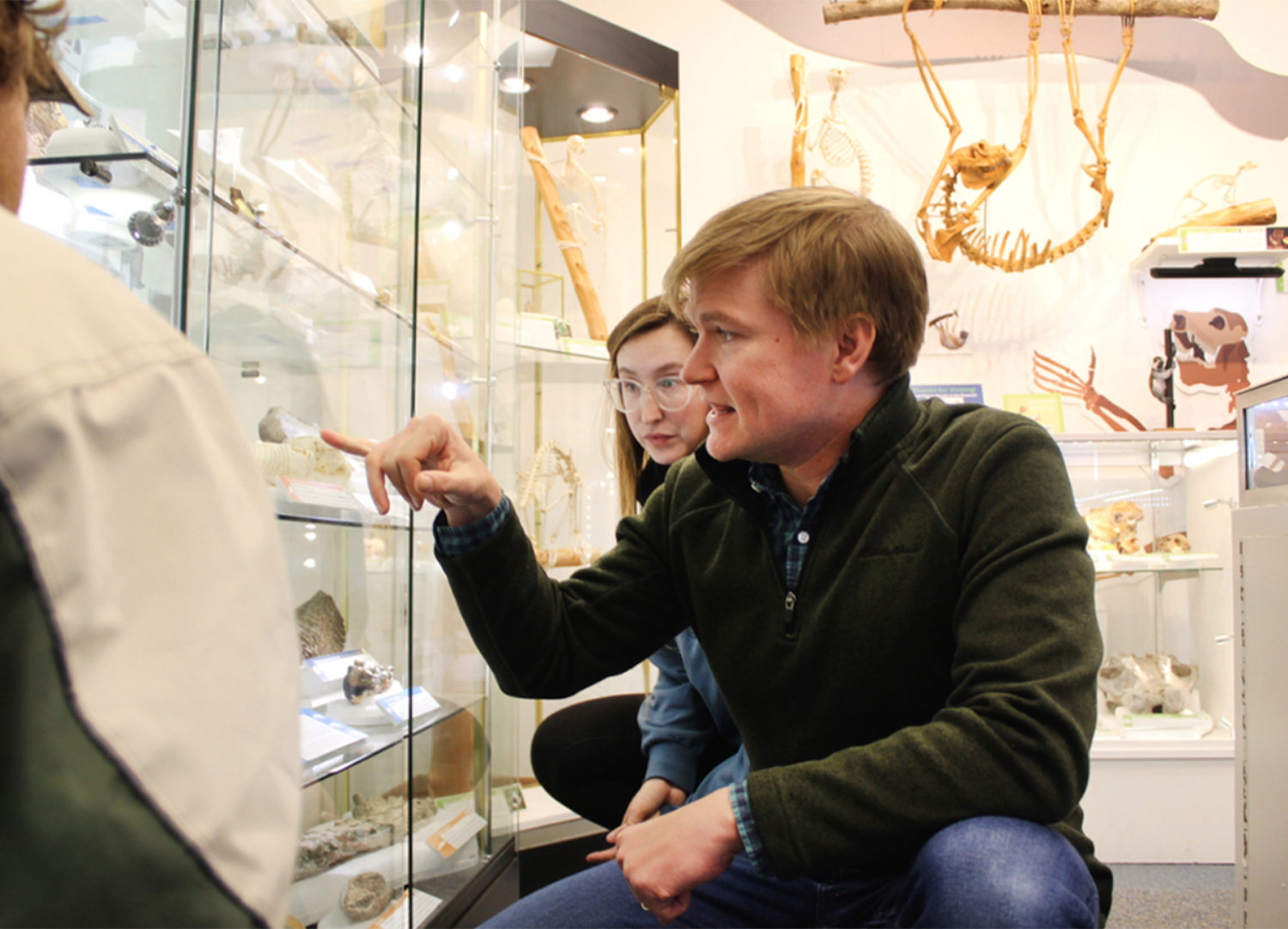
The DLC’s campus includes over 50 acres of naturally forested free-range enclosures, a state-of-the-art lemur hospital and research center, three buildings housing diurnal lemurs, and two buildings housing nocturnal lemurs, plus a dedicated hibernaculum for hibernating fat-tailed dwarf lemurs. Our Museum of Natural History is housed approximately 10 minutes away, near Duke’s East Campus.
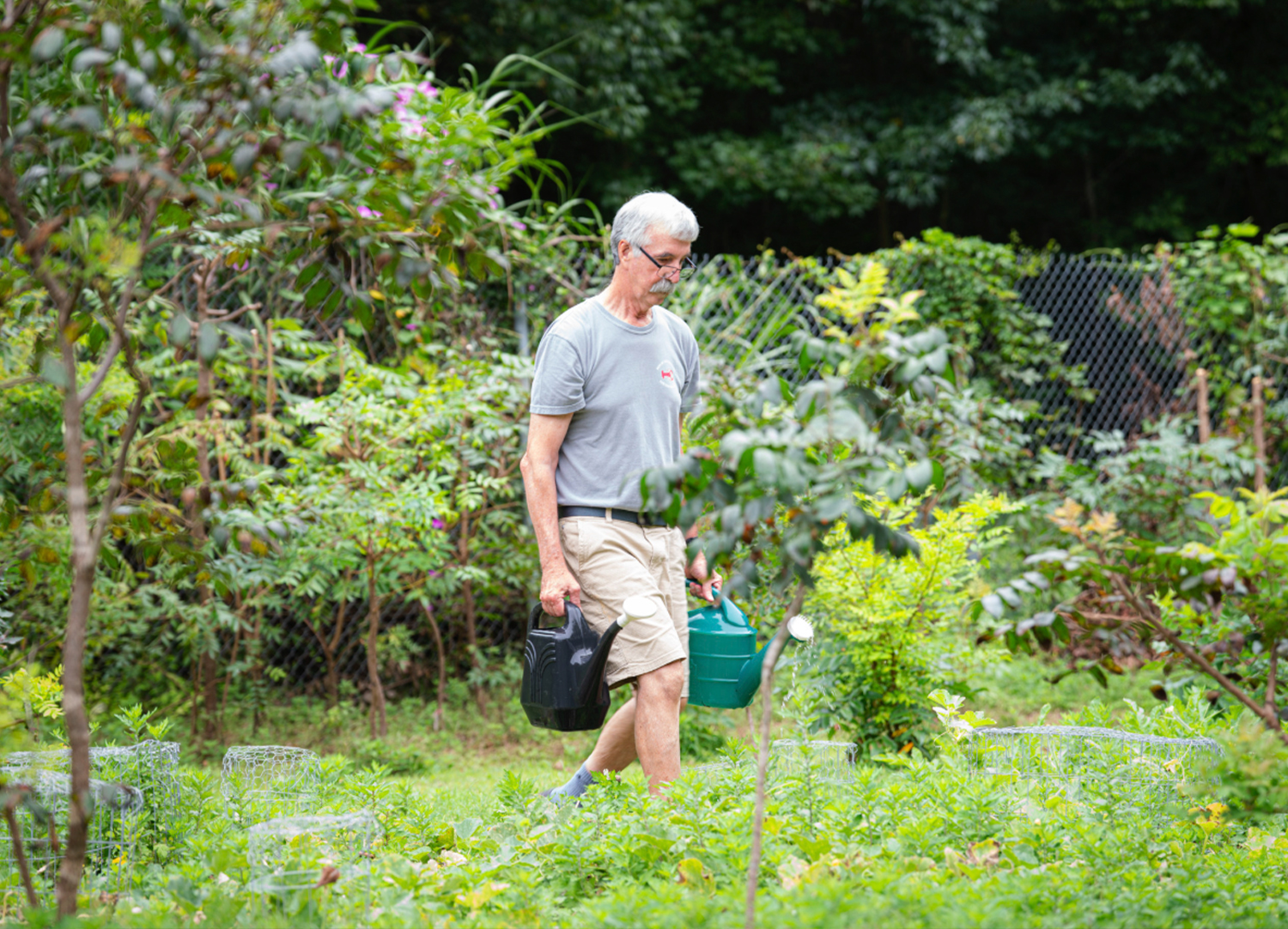
Thanks to a team of garden volunteers, we maintain organic gardens to grow vegetables and other edible plants for the lemurs’ diets. We can’t come close to producing all that the lemurs consume, but we can contribute the freshest, organically grown produce as well as certain specialty items like native winged sumac, the leaves of which are an important part of the sifaka diet.
Our tour path garden, pocket prairie, and Food Forest are also havens for pollinators! These areas are valuable teaching tools that show visitors how conservation starts literally in our own backyards. Our local ecosystems, habitats, and animals/insects should be protected and supported, in the same way that lemurs and their habitat in Madagascar should be.
Lemur Housing
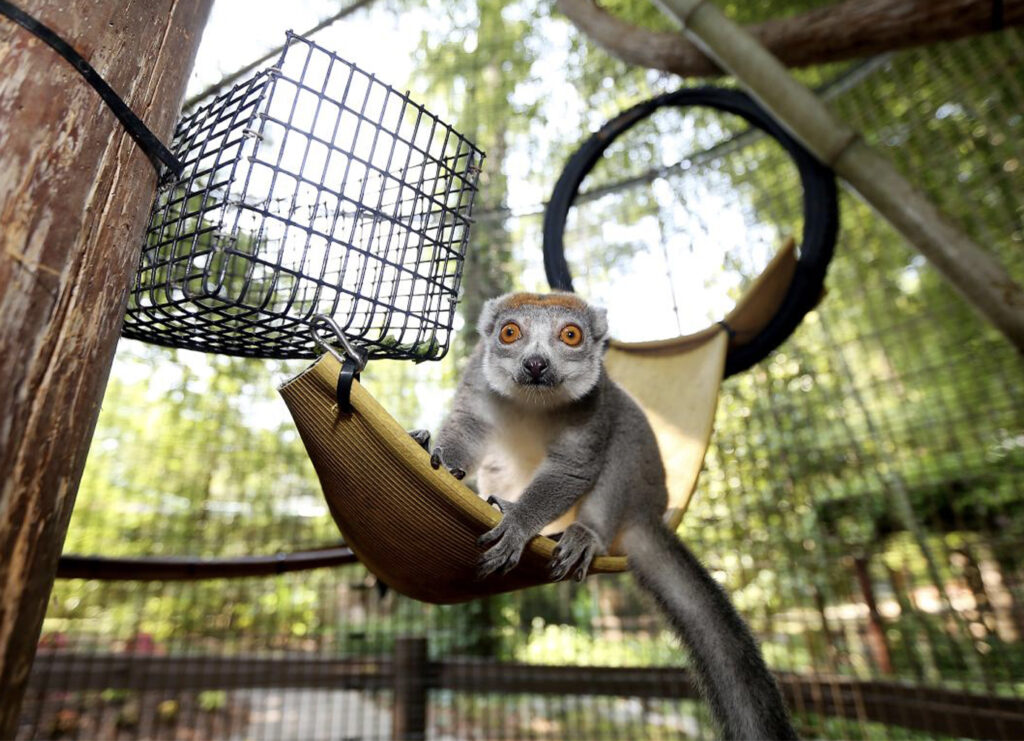
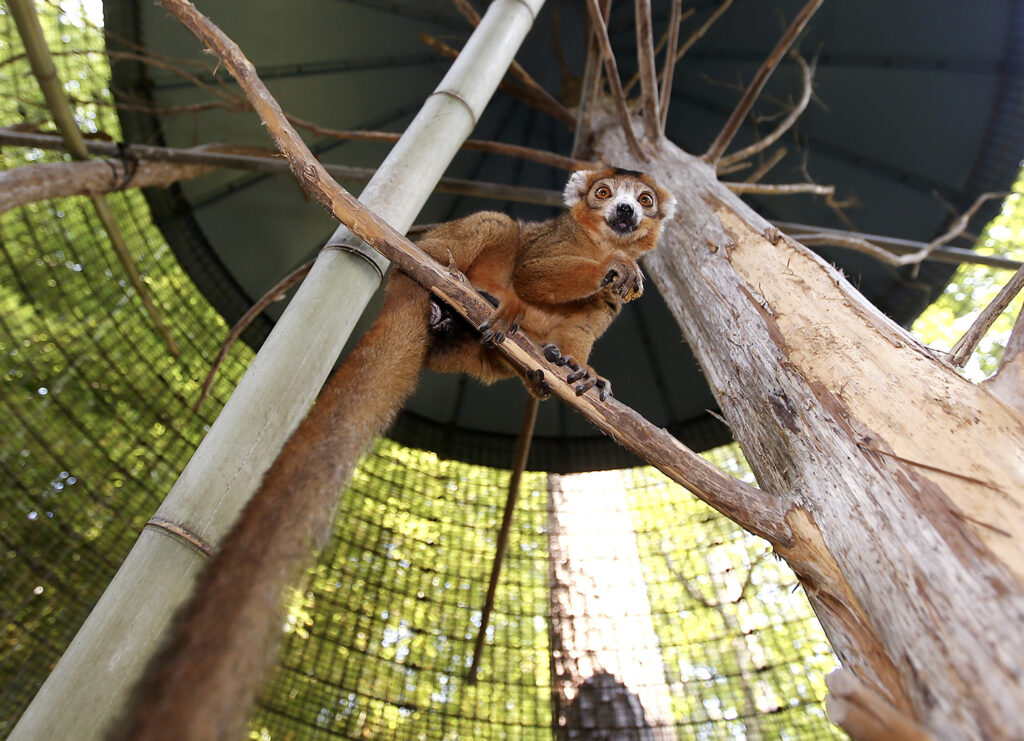
The DLC’s lemurs live in large, multi-acre tracts of natural forest, called Natural Habitat Enclosures, as well as climate-controlled buildings with indoor and outdoor access. Housing varies by species, the weather, and the specific animals and family groups.
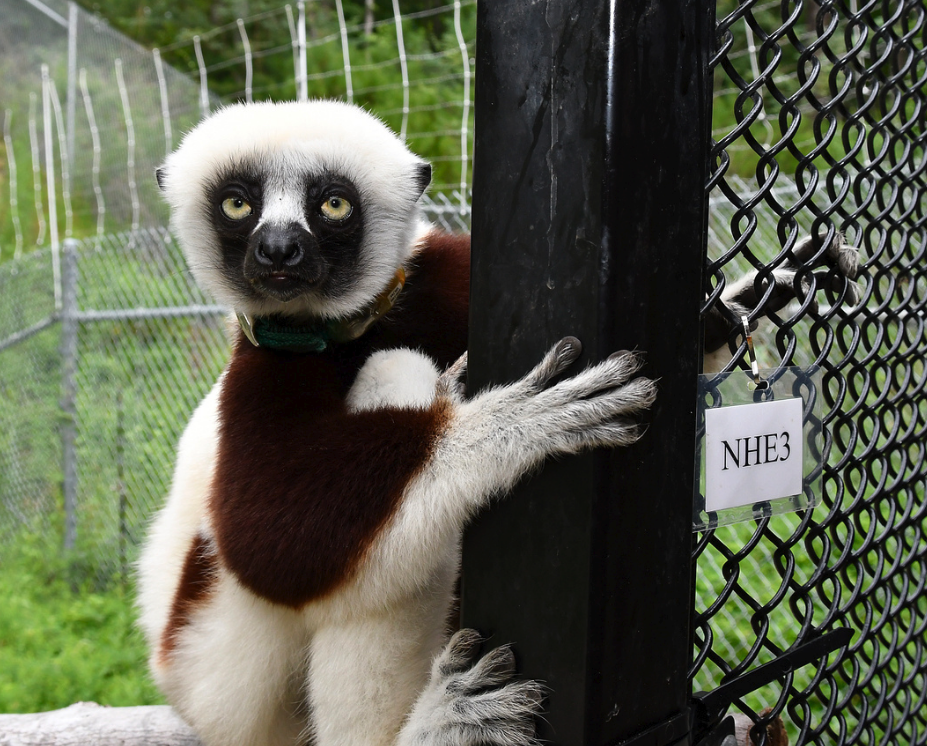
The DLC has two types of enclosures: Natural Habitat Enclosures (NHEs) and Indoor Enclosures with Outdoor Yards.
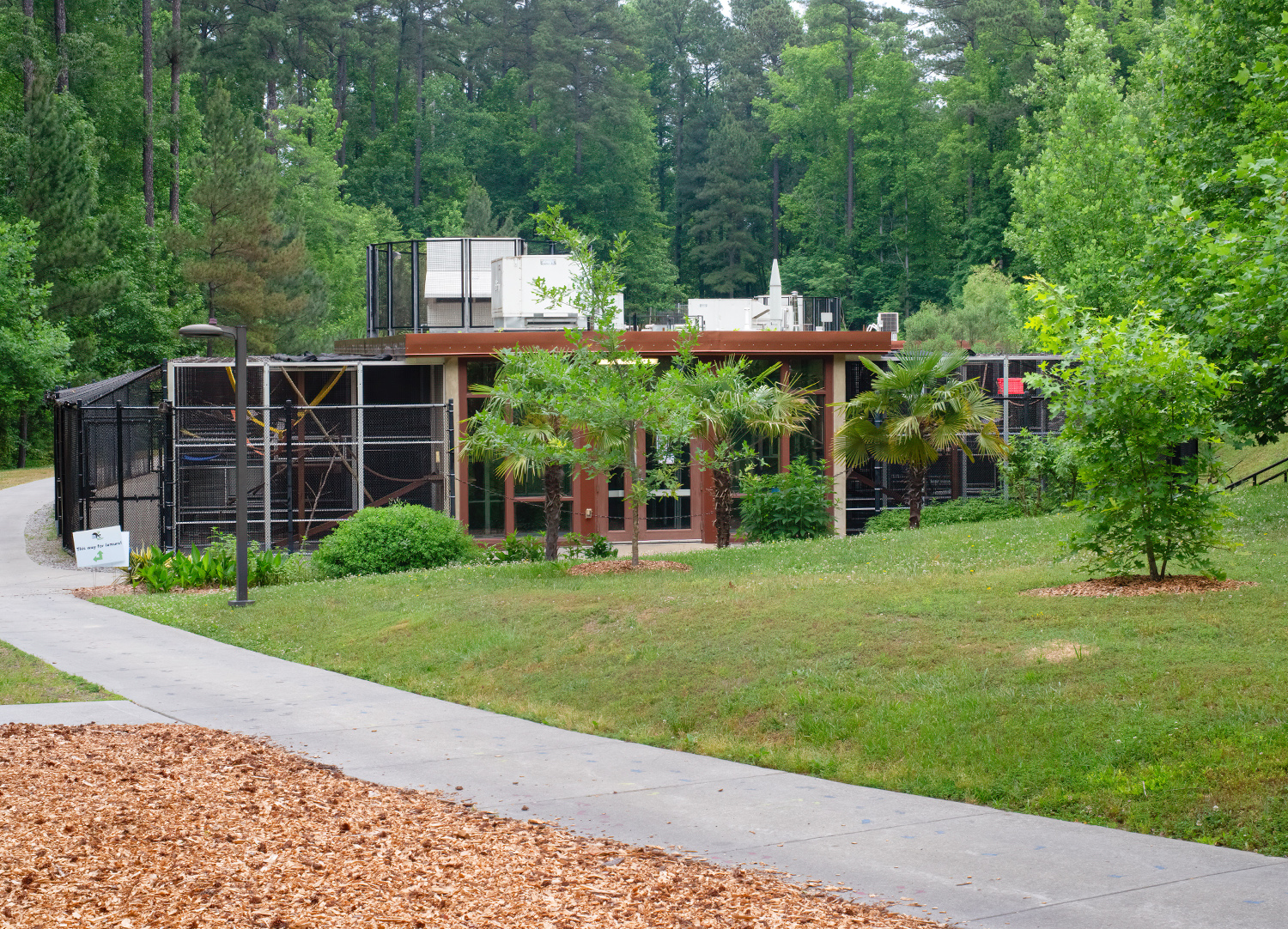
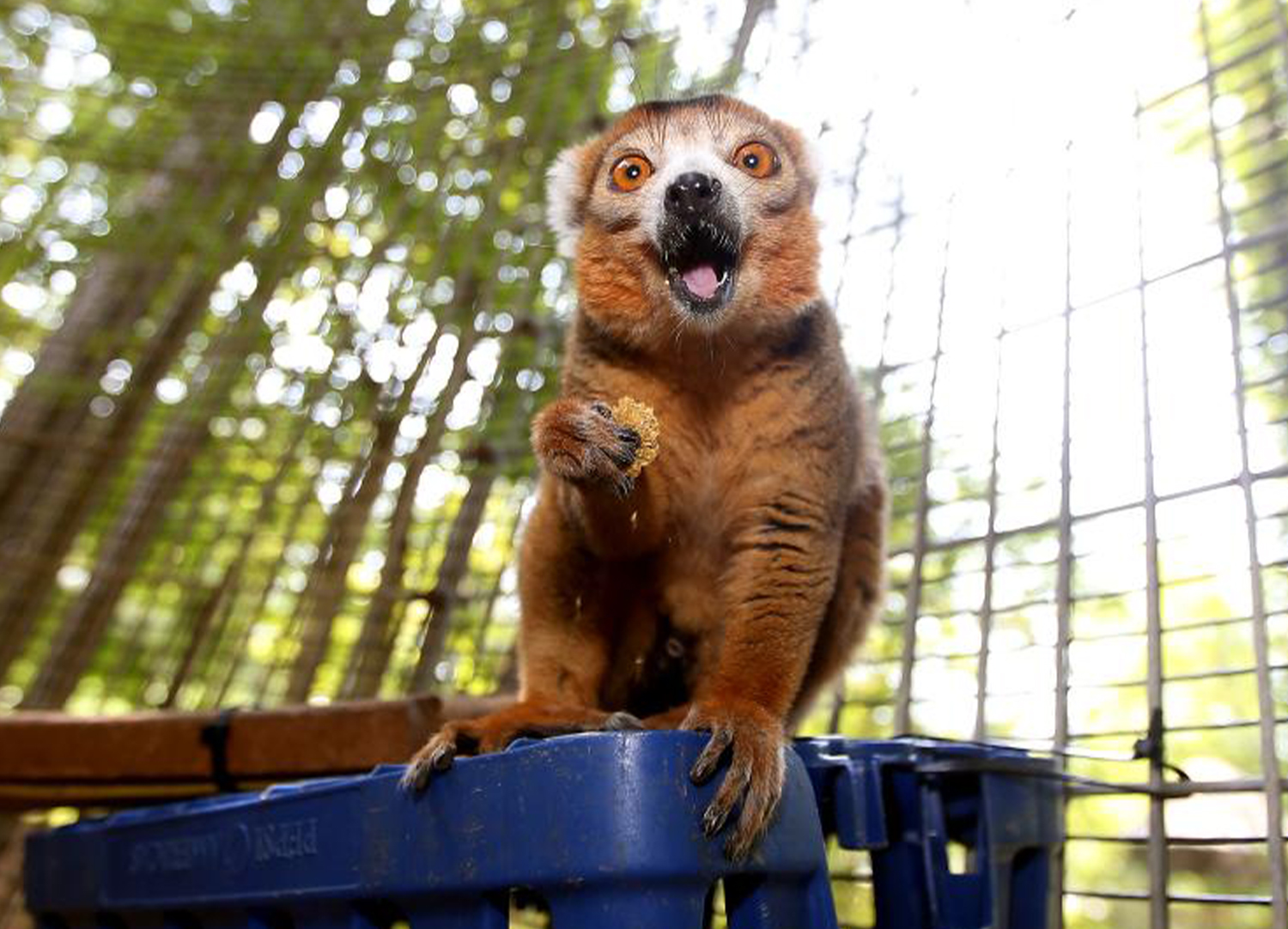
Our indoor/outdoor housing areas (Miaro building, Aty Ala building, and the Triplex) are specially constructed for the physical and mental health of our lemurs. Each family group of lemurs is housed within a large set of interconnected enclosures and has multiple indoor rooms available to them (heated and cooled, depending on season), which are connected to multiple outdoor yards. For example, a family of 4 lemurs has access to at least 4 ‘sets’ of indoor/outdoor areas, totaling 8 individual enclosures. Different doorways lead into and out of these areas, creating ample space for natural movement and play and giving the animals privacy—away from each other, or away from public view—whenever they desire it.
The configuration of these indoor/outdoor spaces also helps facilitate lemur research (all non-invasive) and care by allowing us to temporarily close off individual rooms within each family’s set of enclosures. This flexibility is brilliant for managing breeding groups and especially new moms and infants, as infant survival rates are significantly higher when mother and baby are separated from the group for a few days and gradually reintroduced when the infant is less vulnerable. Wire fencing between enclosures allows these lemurs to be separate and safe, while also maintaining visual and olfactory contact with the rest of their family.
Guests on our general tours see only the outside areas of these enclosures, whereas guests on our premium tours (Walking with Lemurs, Behind the Scenes) see the lemurs’ outdoor and indoor areas.
To keep our lemurs physically and mentally engaged, the indoor/outdoor enclosures are re-branched and re-furnished often to give them new layouts to explore, and special and varied enrichment activities are provided daily. These help promote natural behavior like foraging and promote not just physical health but also mental stimulation and all other aspects of the well-being of the lemurs under our care. You can learn more about the DLC’s enrichment and training program on our Behind the Scenes tours.
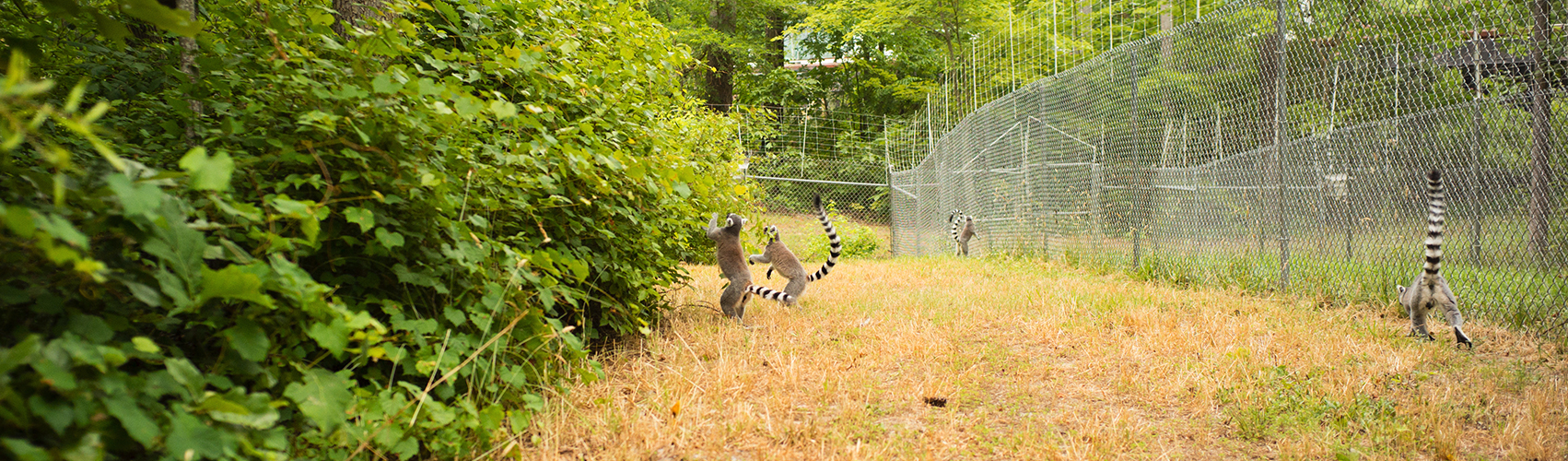
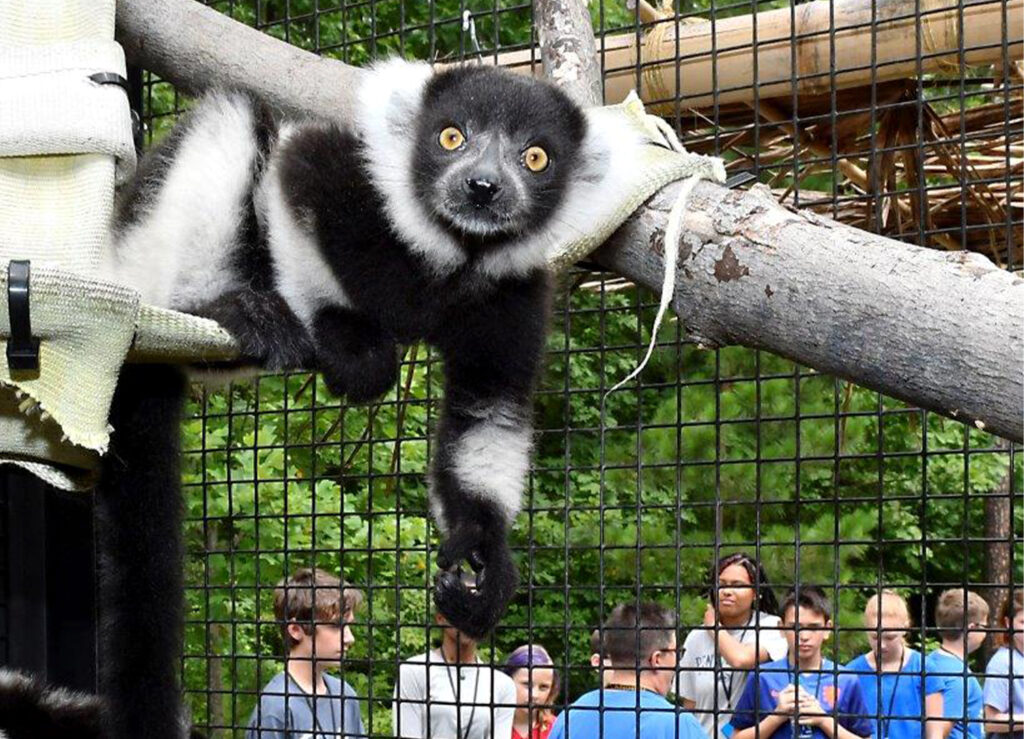
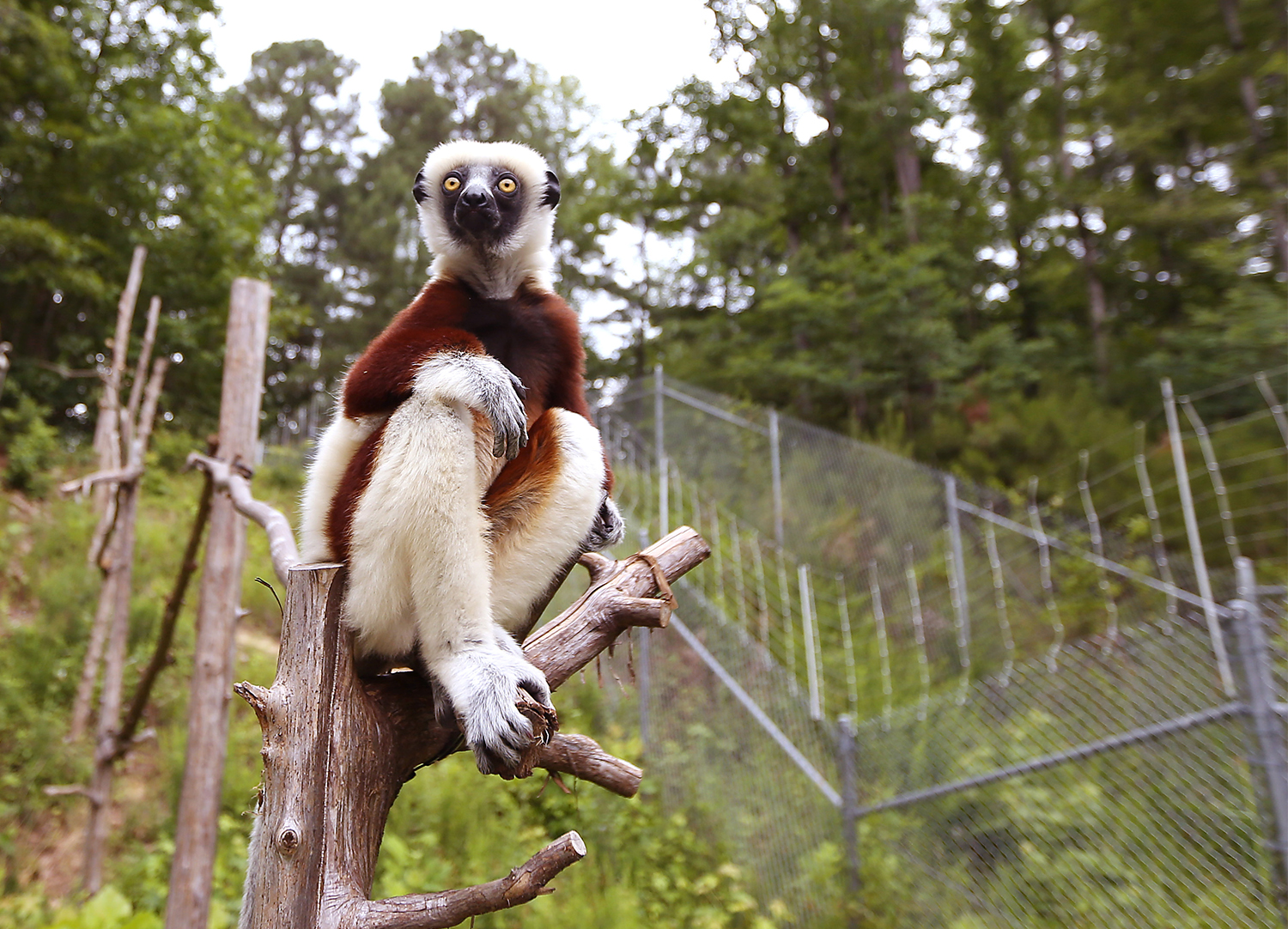
During the warm months of the year (typically mid-April to mid-October), a large number of our lemurs get to free-range in large forested Natural Habitat Enclosures while also retaining access to their indoor/outdoor enclosures. Most enclosures contain multiple species and are ideal for observational studies that focus on more naturalistic behaviors. Guests can see lemurs in their NHEs on the Walking with Lemurs tour and sometimes on the Behind the Scenes tour.
Please visit our tours homepage to view all of our tour options.
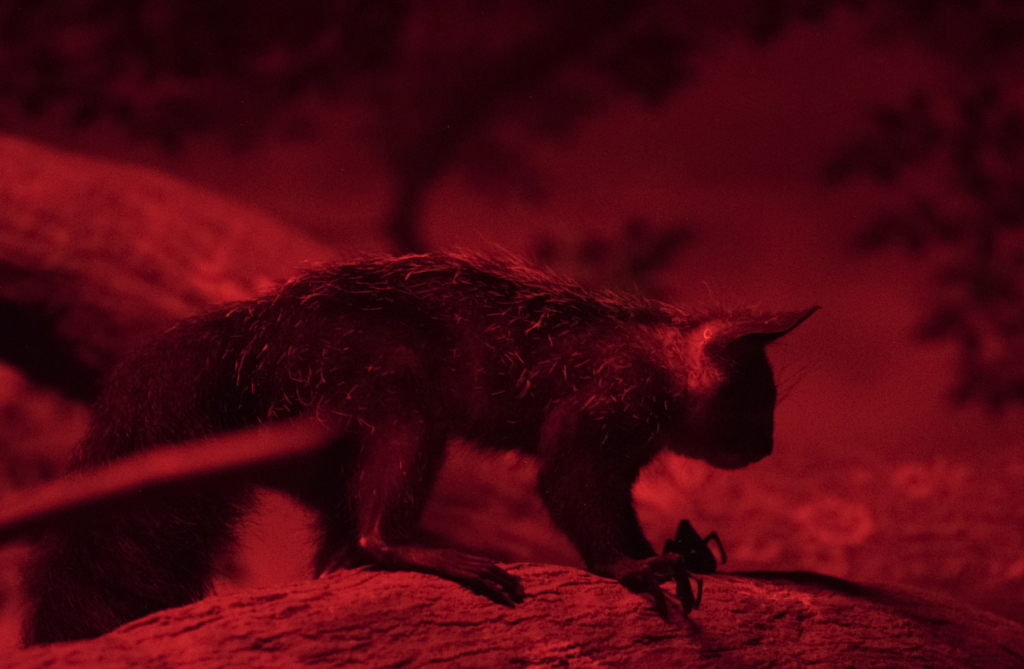
Our nocturnal lemurs and bush babies are housed indoors in the Nocturnal Building and inside the DLC’s main administrative building, and may be set up in either single-species enclosures or mixed-species free ranging rooms. All are on a reverse light cycle so that they are active (with lights out) during the day while DLC staff members are able to feed and enrich them and researchers are able to observe them.
Pictured: An aye-aye viewed during her wake cycle under nocturnal lighting (dim red lights).
Summer Tour Path
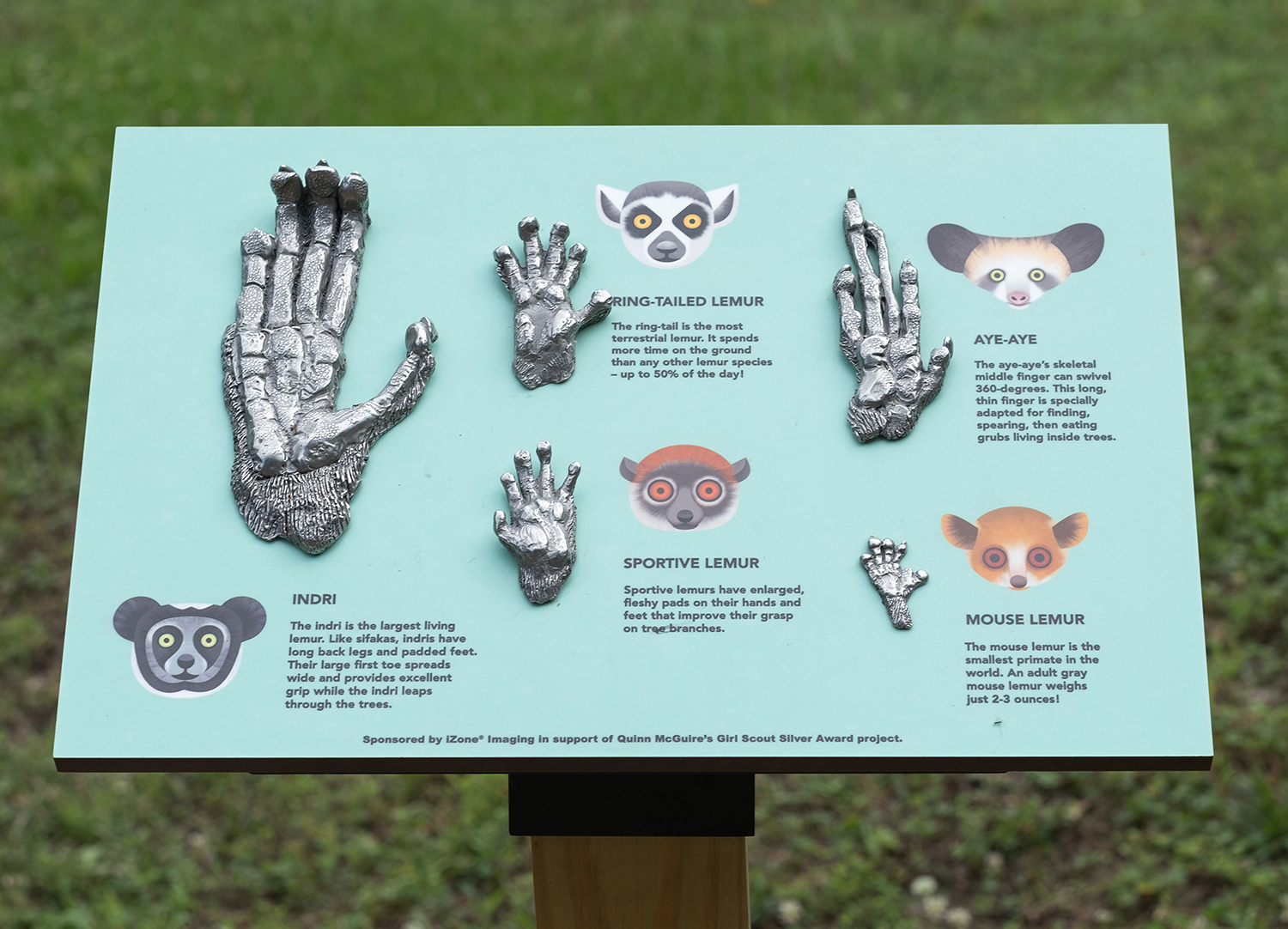
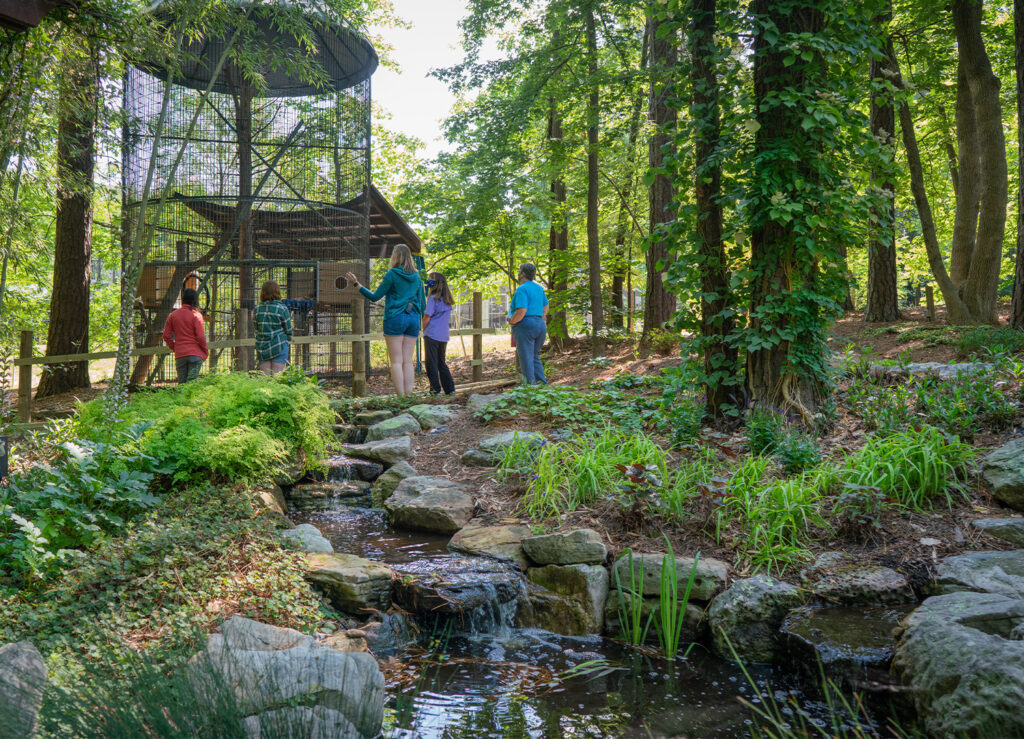
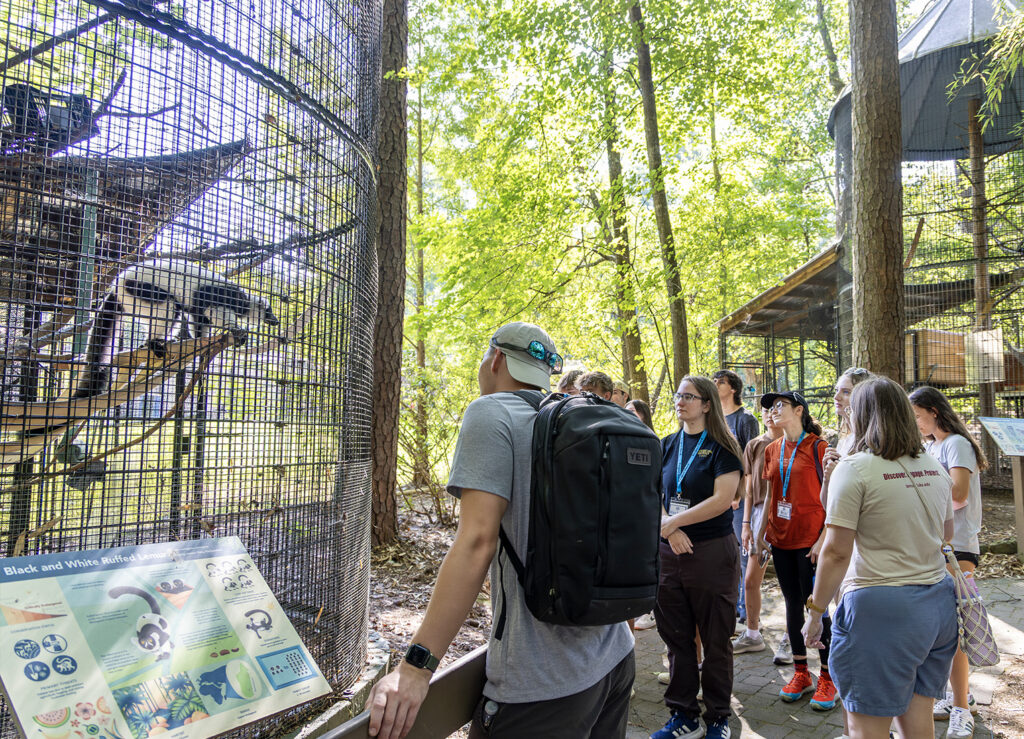
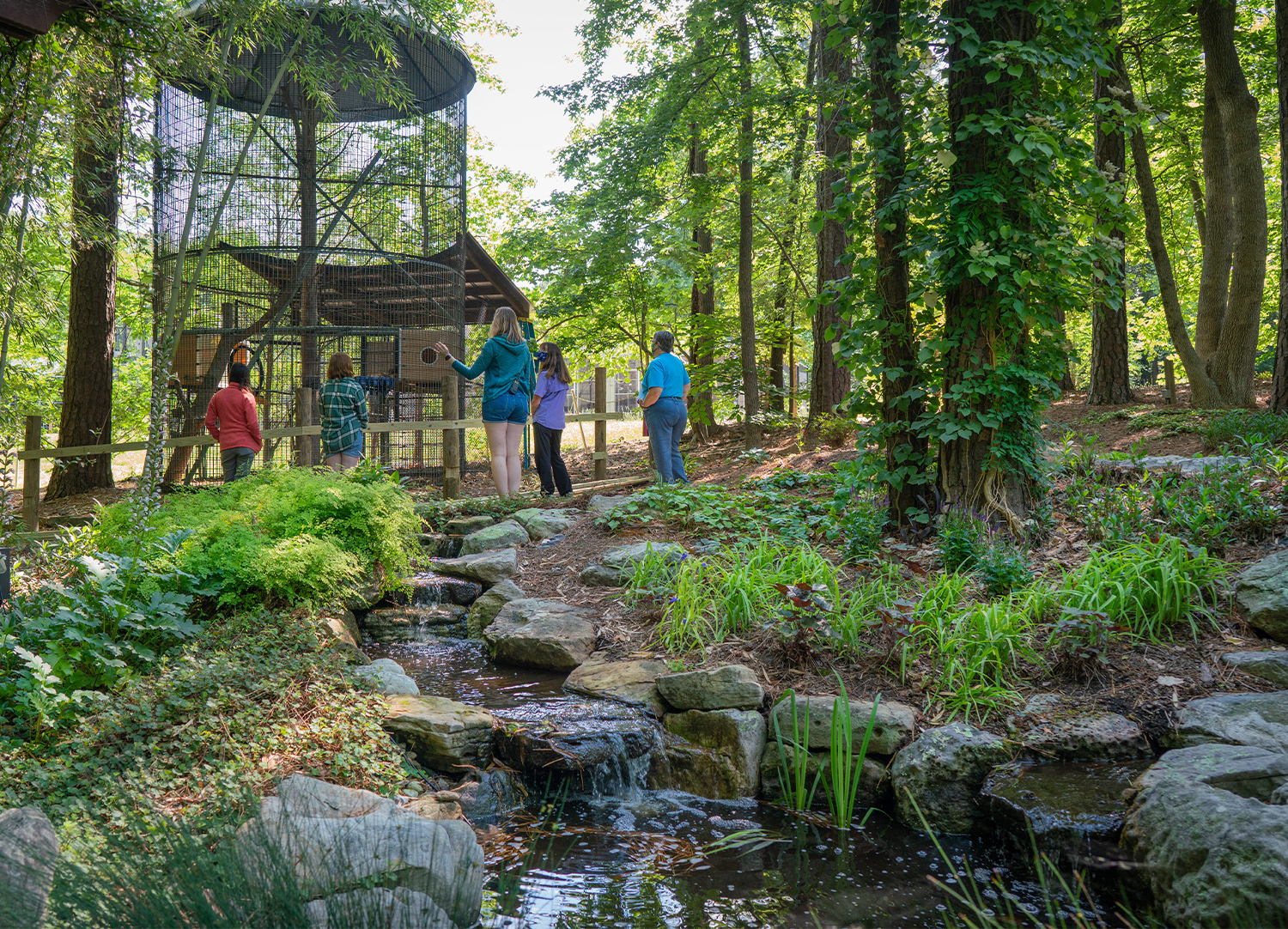
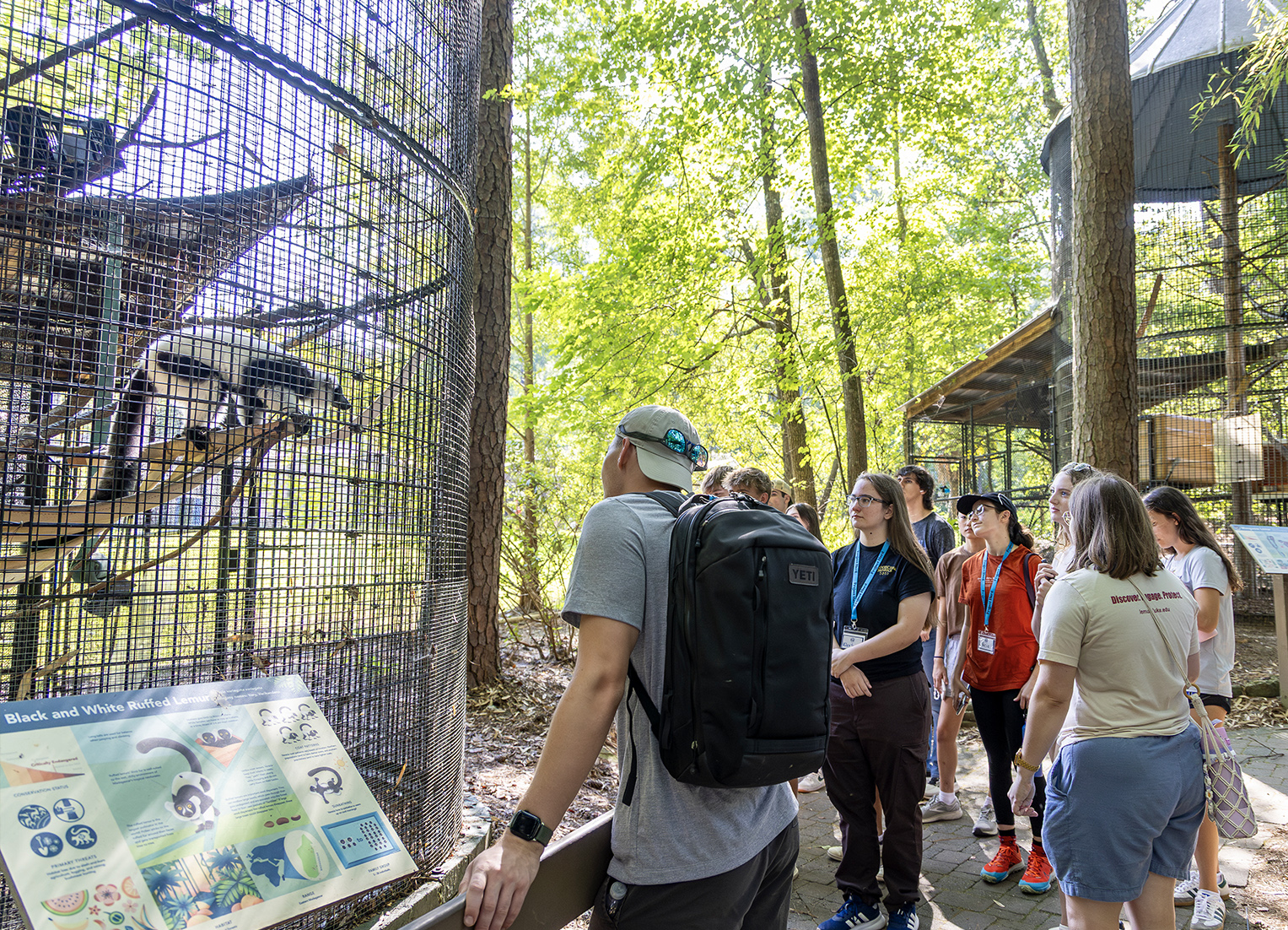
The DLC’s summer tour path is paved and ADA-accessible, and offers views of lemurs housed in our indoor/outdoor buildings and in silos surrounded by native plants.
The tour path is a certified Monarch Waystation. The monarch butterfly is threatened by habitat loss across North America. As milkweeds and other nectar sources become scarce, monarchs have struggled to find suitable habitat with the plants they need for food and shelter during their long annual migration to Mexico. Our waystation provides the plants that monarchs need for food and to lay their eggs, serving as a rest and refueling stop on their long journey west, and is highly beneficial for other pollinators, too!
Our Malagasy display garden contains river cane (which closely resembles the sugarcane grown in Madagascar), bananas, and taro, all plants that die back each year and regrow from their roots. Each fall and spring, we move our ginger, pineapples, papaya, manioc, coffee, cacao (chocolate), peppercorn, and vanilla orchids between the garden and warm indoor spaces around the Center. The display garden also features a rice paddy, complete with a system that allows us to flood the paddies using rainwater collected from the roof of Miaro and funneled through a bamboo stalk.
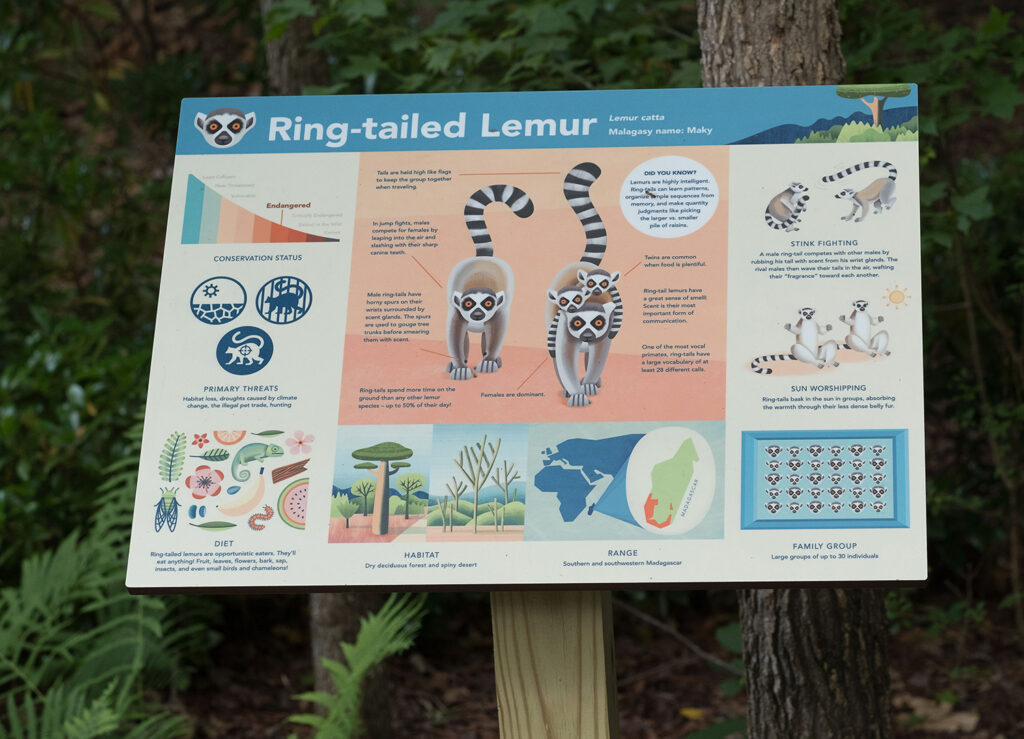
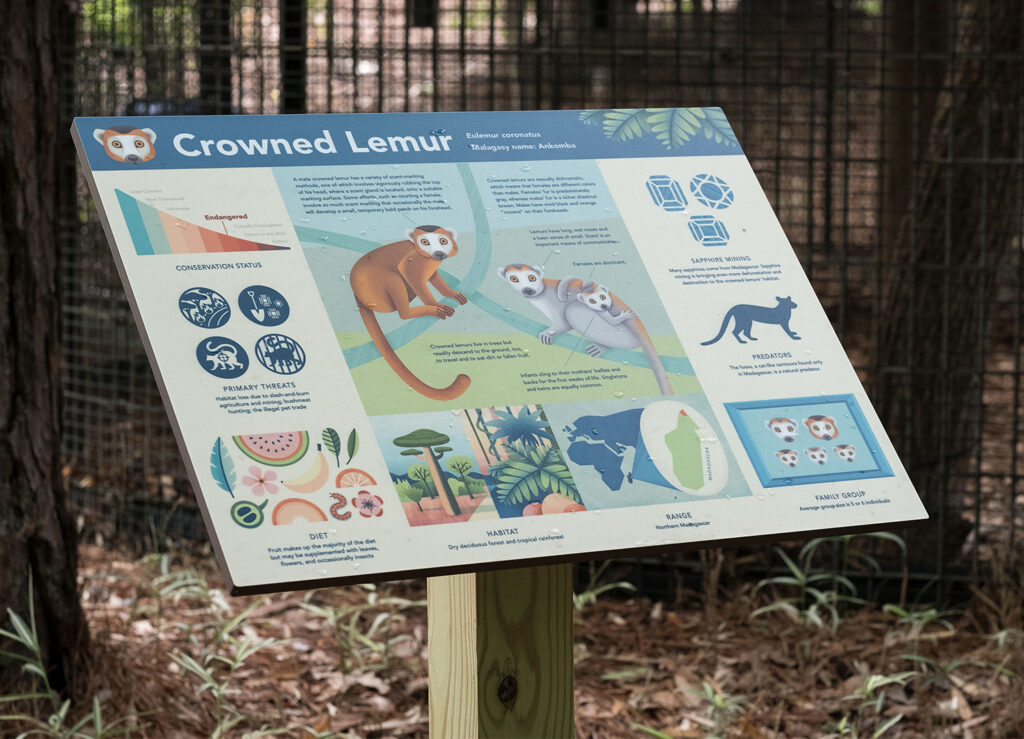
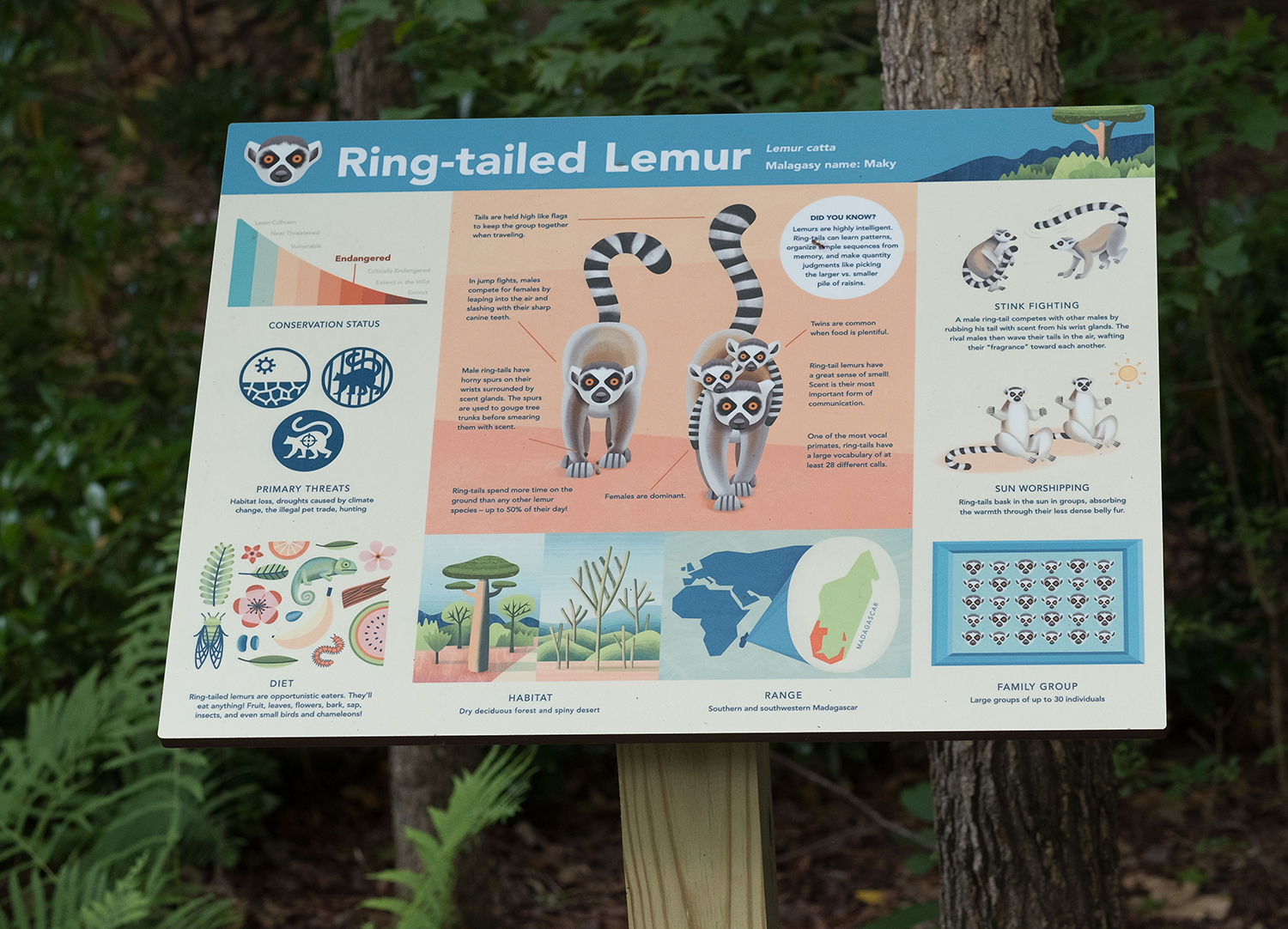
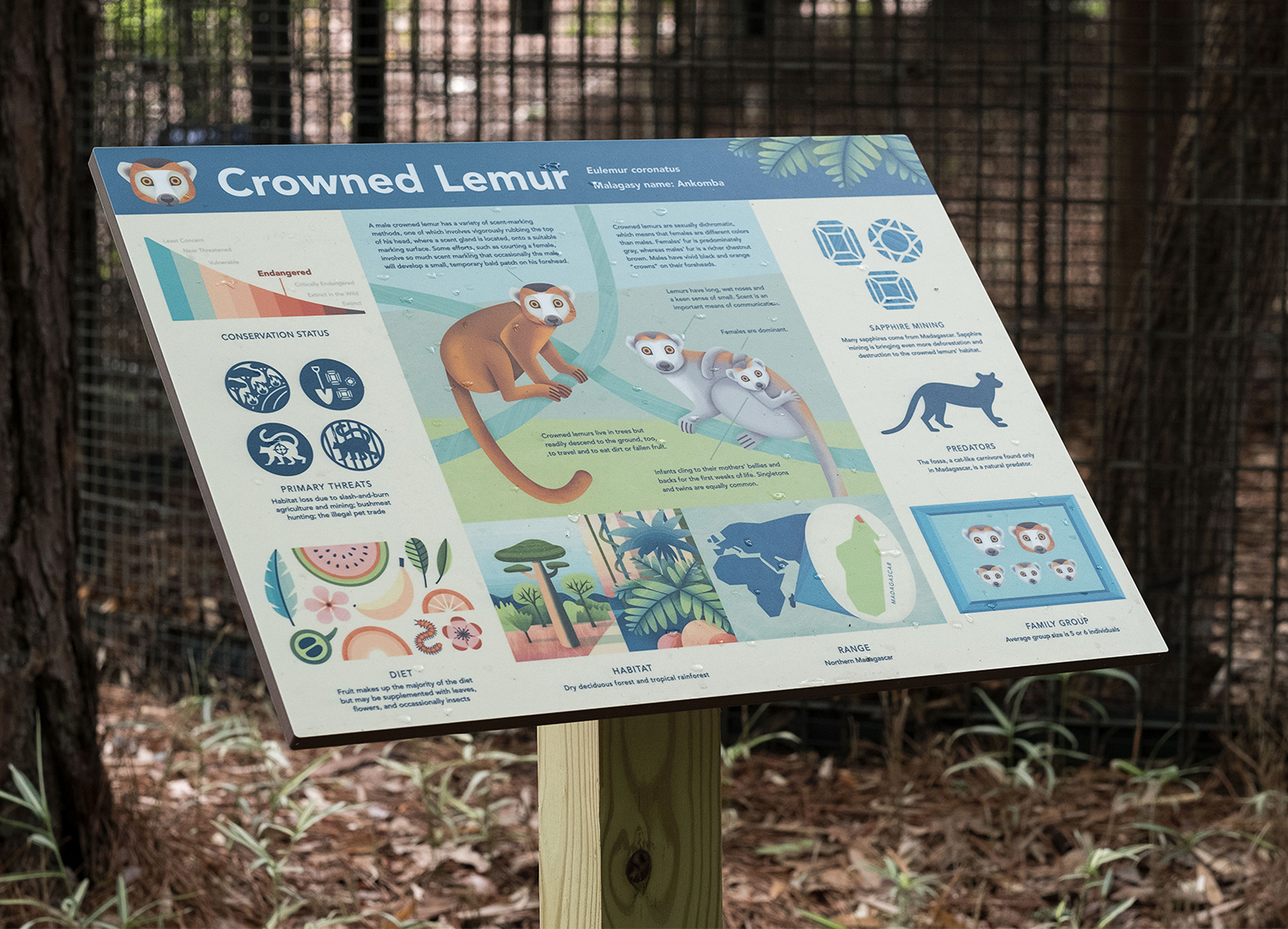
The tour path is enhanced by a series of beautiful and informative infographics created for the Lemur Center by Caitlin Hansen Design, Lettering, and Illustration. High-resolution images of the complete set of seven illustrations—ring-tailed lemur, Coquerel’s sifaka, crowned lemur, mongoose lemur, black and white ruffed lemur, red ruffed lemur, and blue-eyed black lemur—can be viewed in Caitlin’s design portfolio.
Organic Vegetable Garden
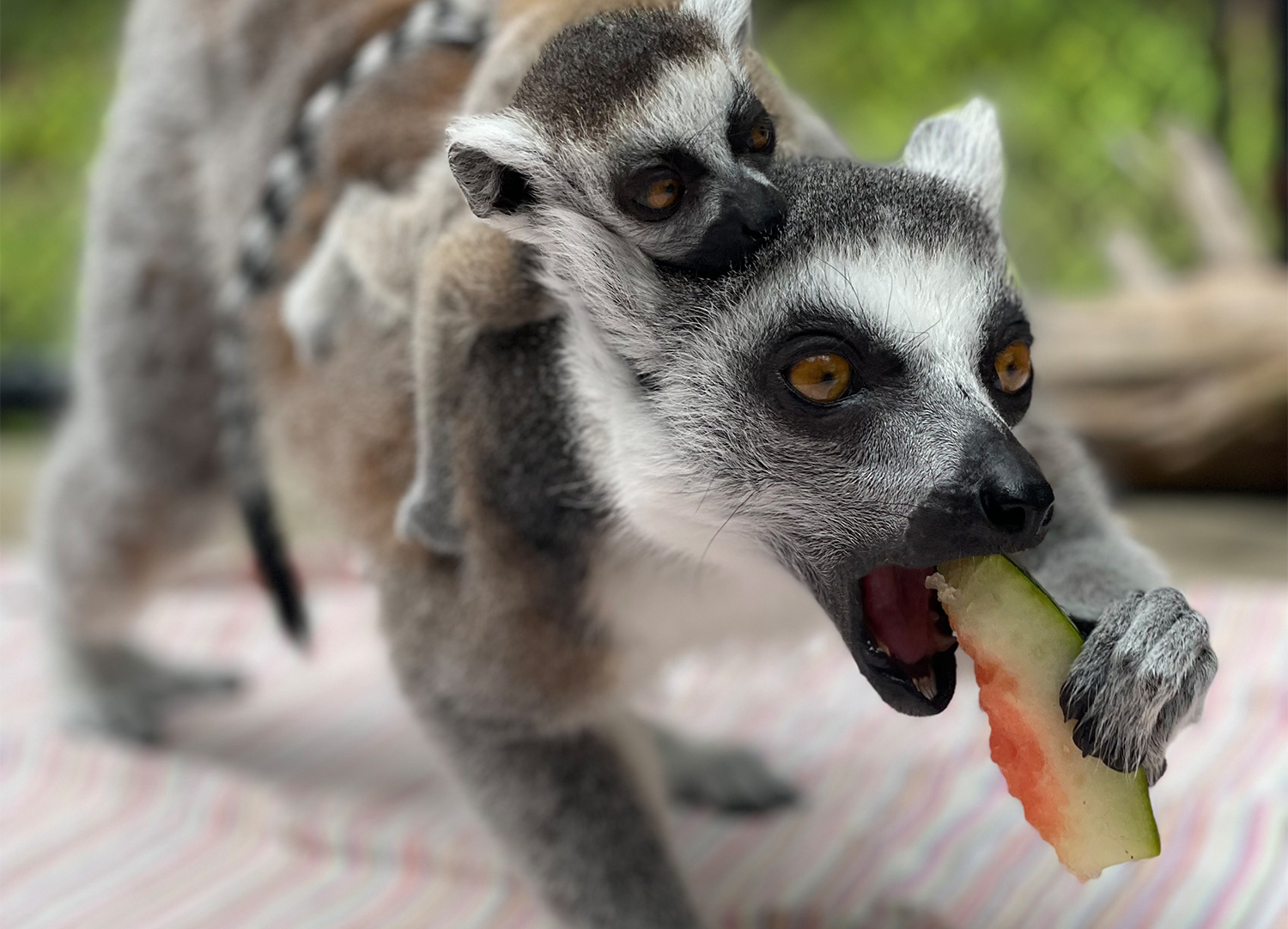
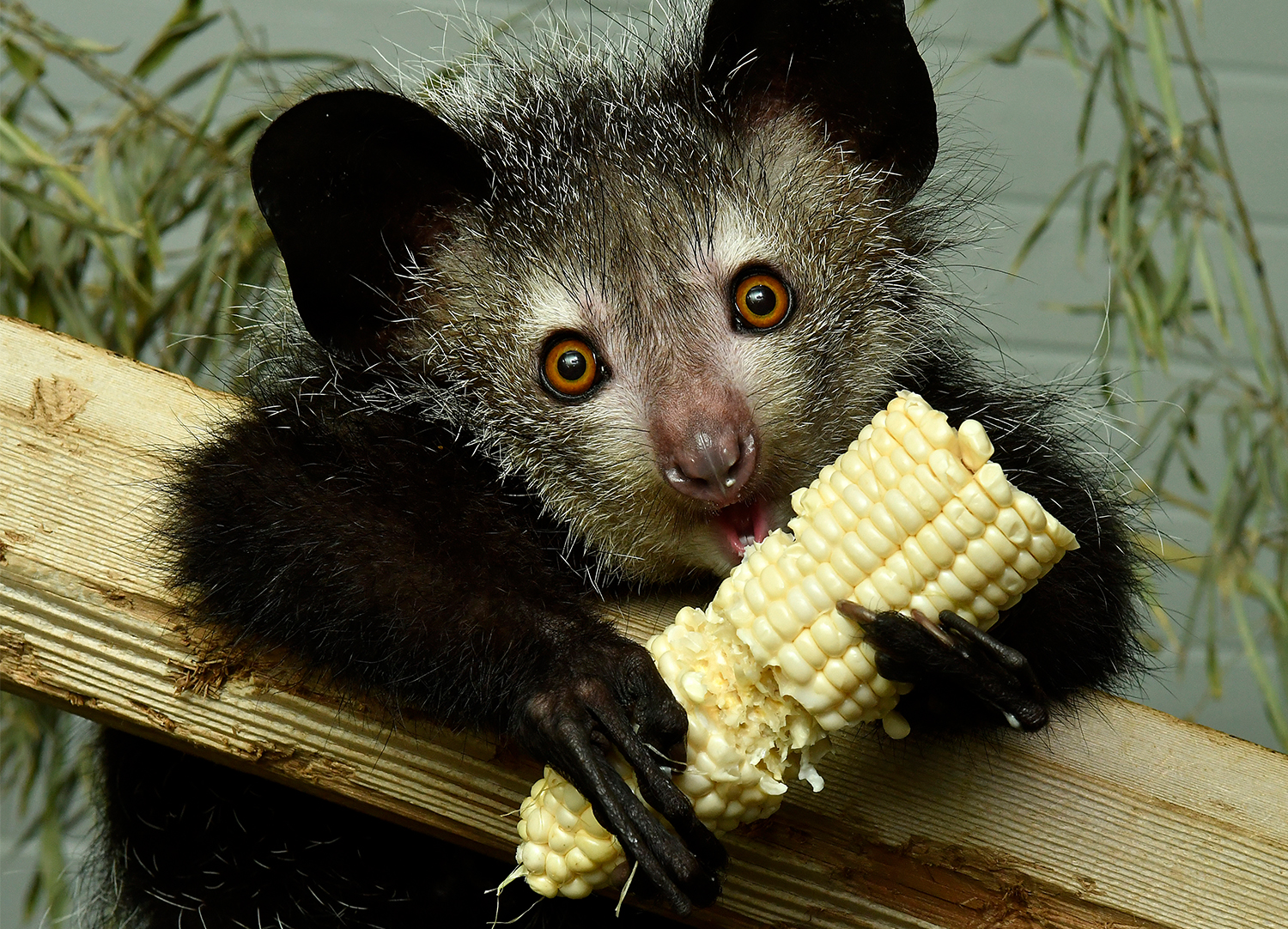
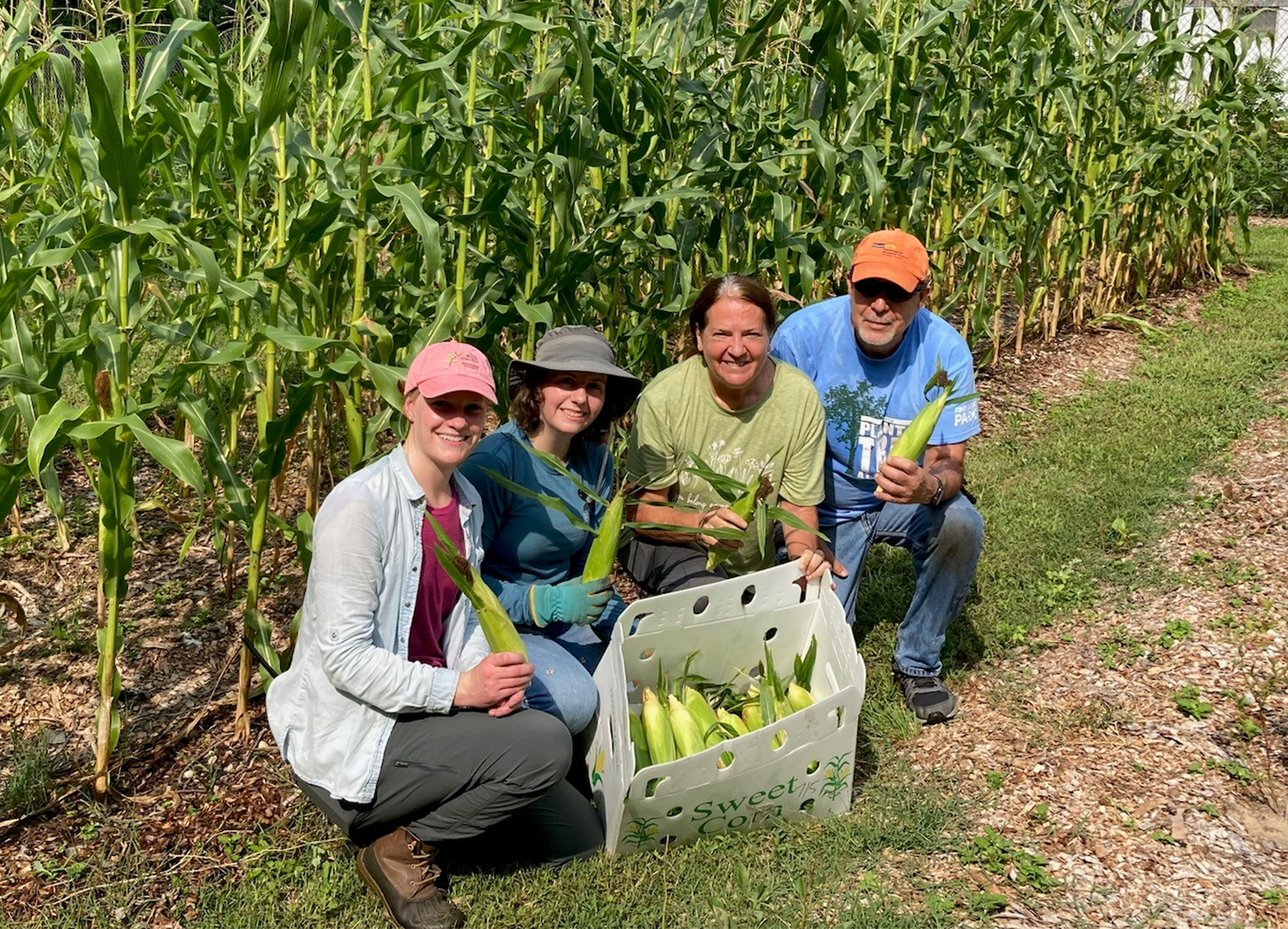
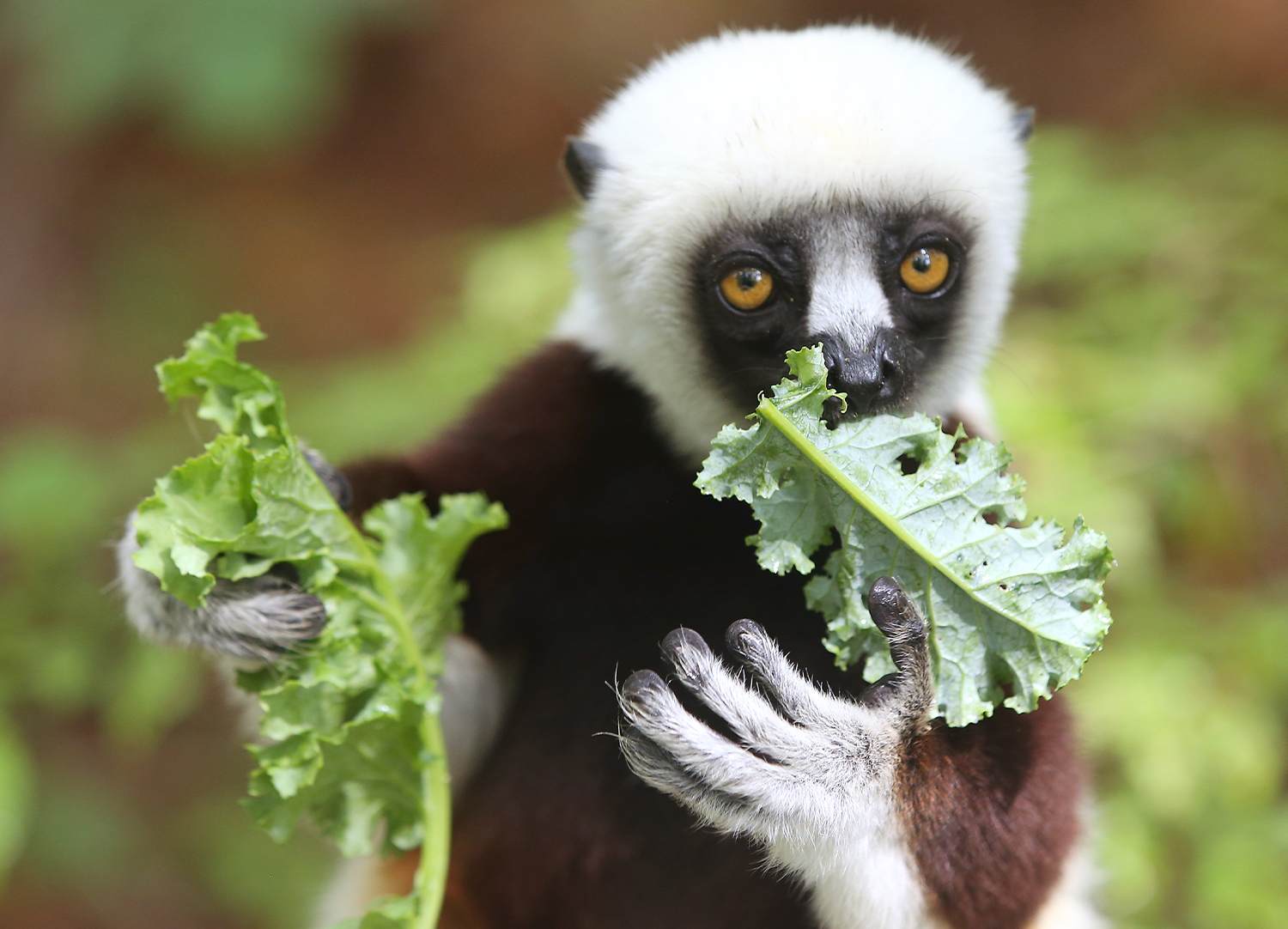

We have two produce gardens at the DLC: a smaller garden behind Miaro and our large Food Forest further down Lemur Lane. Both gardens are fully organic and have been lovingly built and maintained for years, and are important sources of food the the lemurs.
The smaller garden is home to leafy greens, beans, cucumbers, blueberries, and tomatoes, all supported by pollinator‑attracting companion flowers like zinnias, marigolds, and nasturtiums.
This garden also houses our compost bins, where all kitchen food scraps are turned into nutrient‑rich compost that goes right back into the beds to grow food all over again.
Organic Food Forest
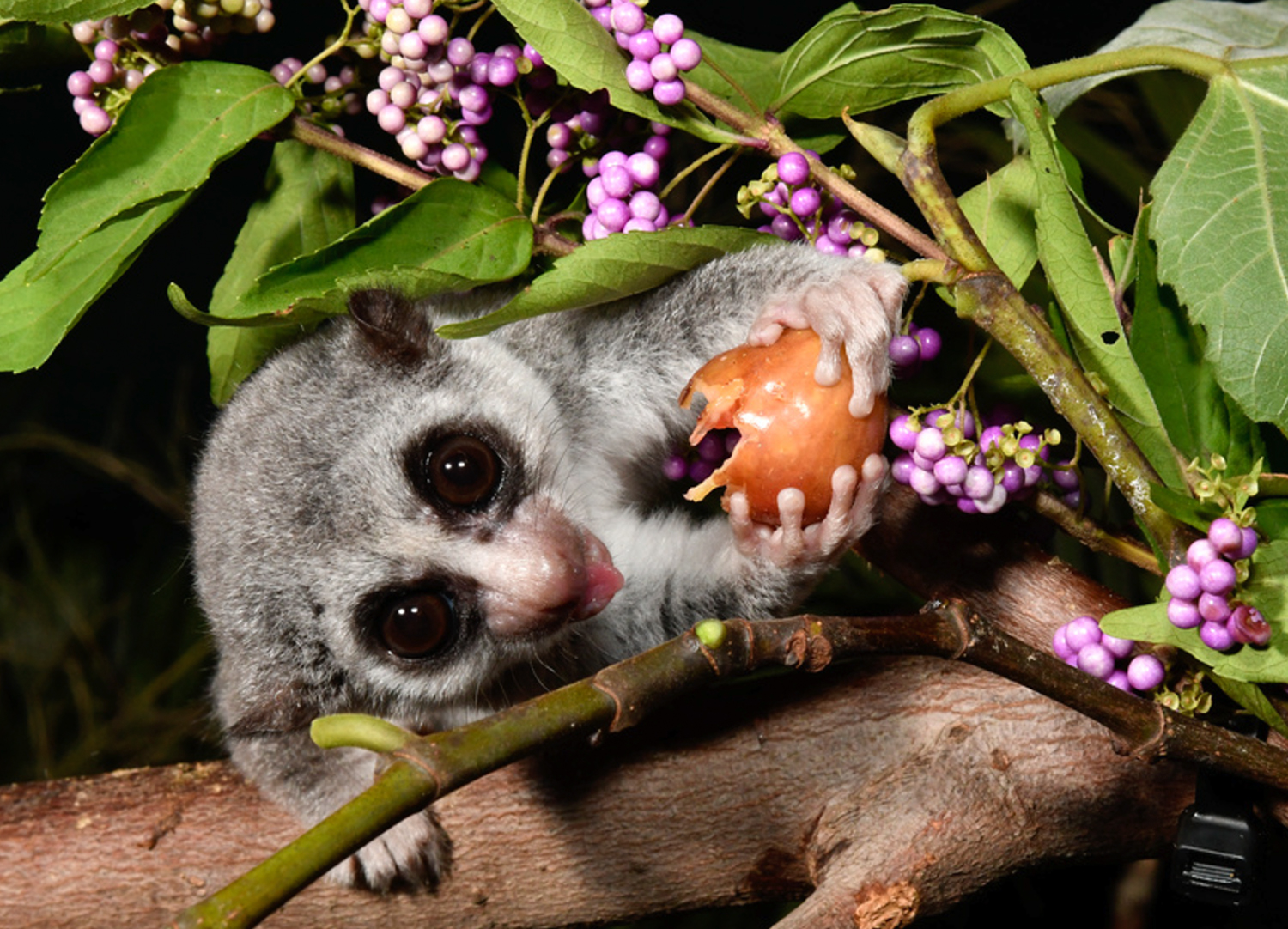
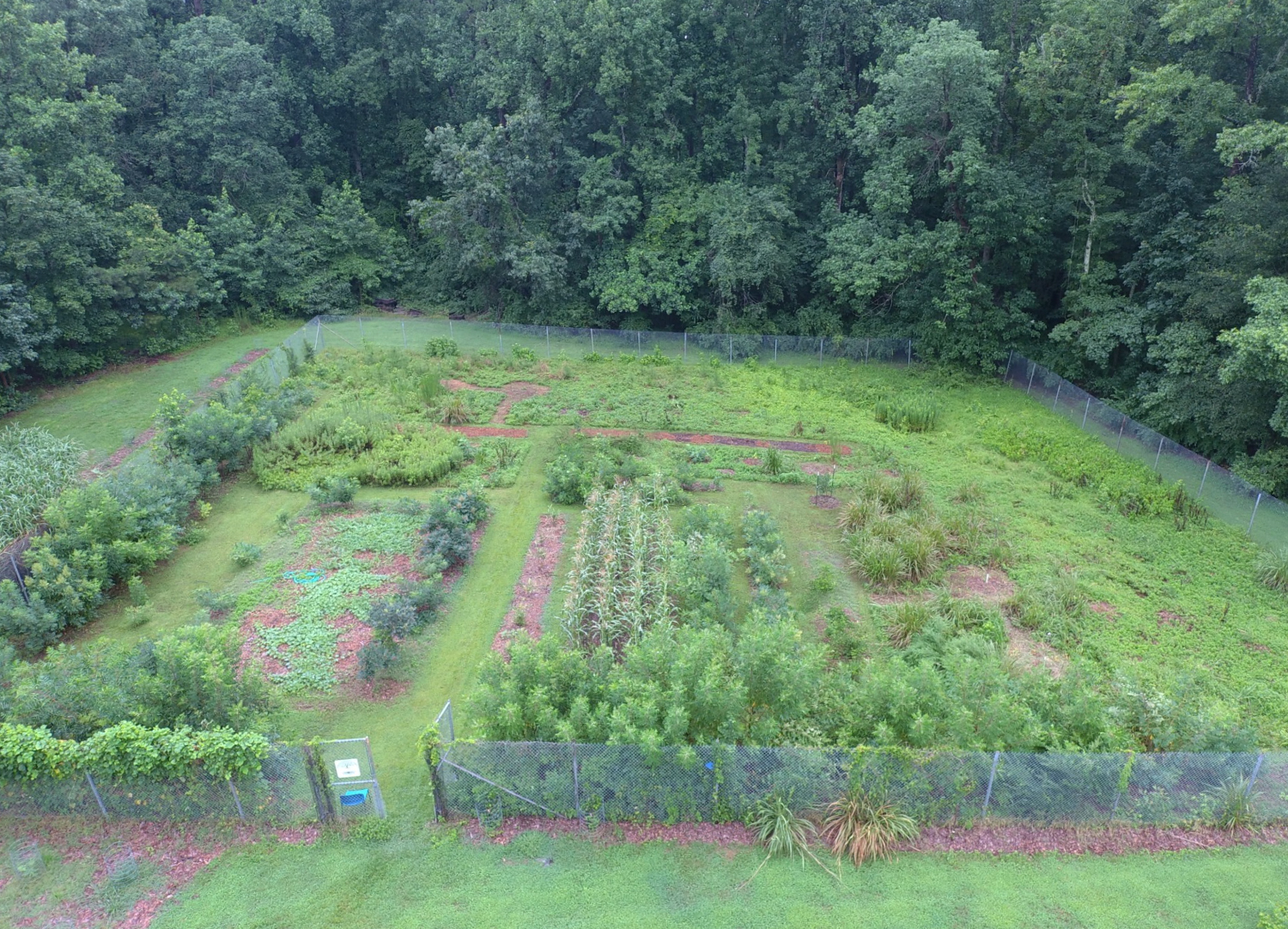
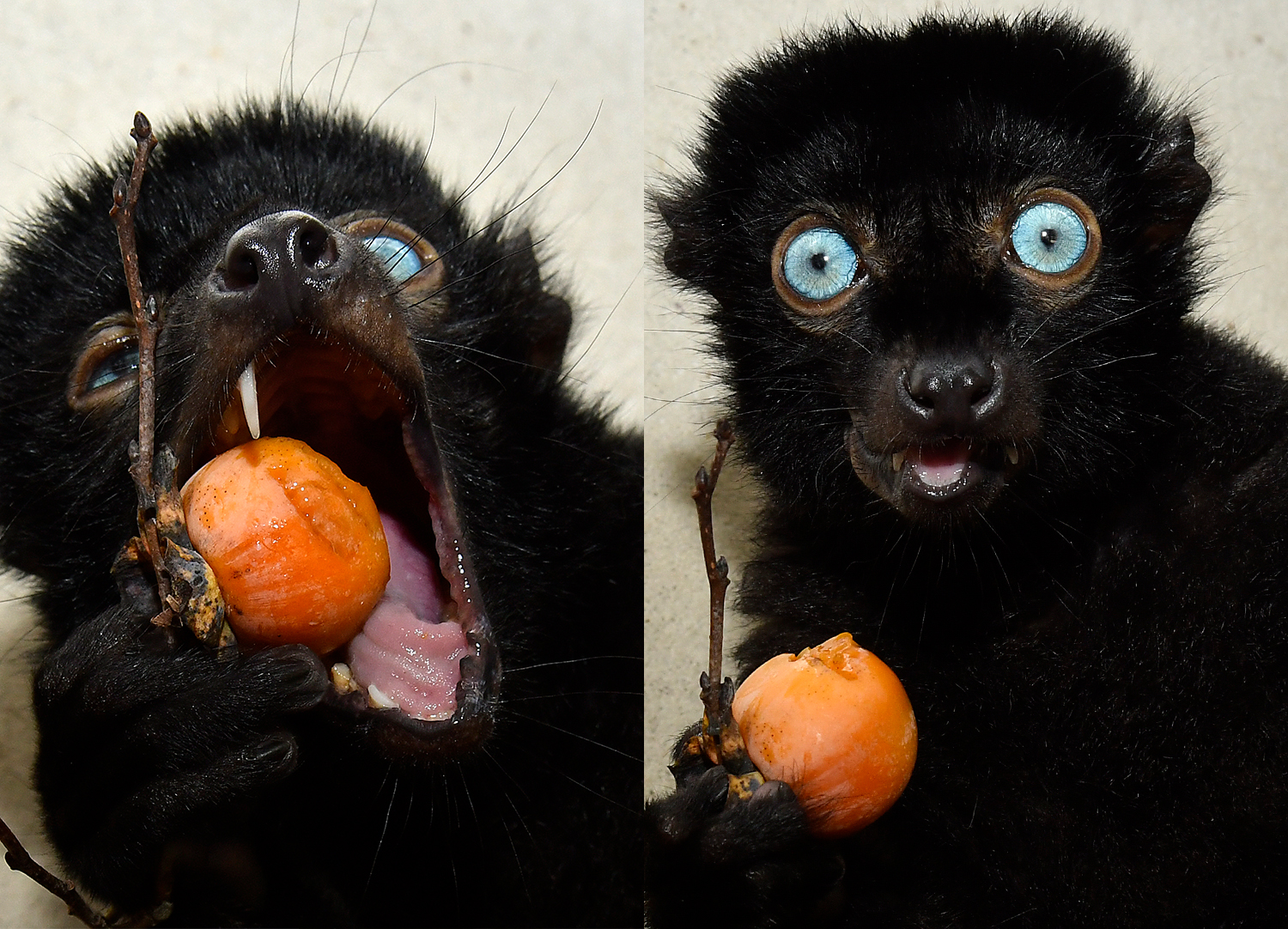
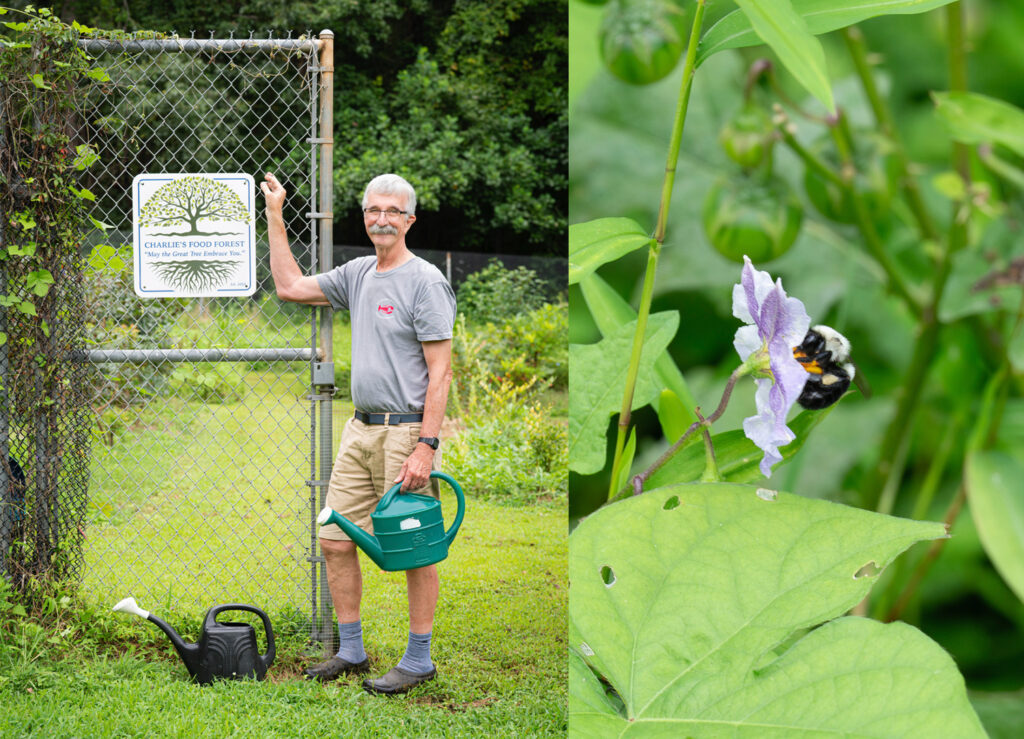
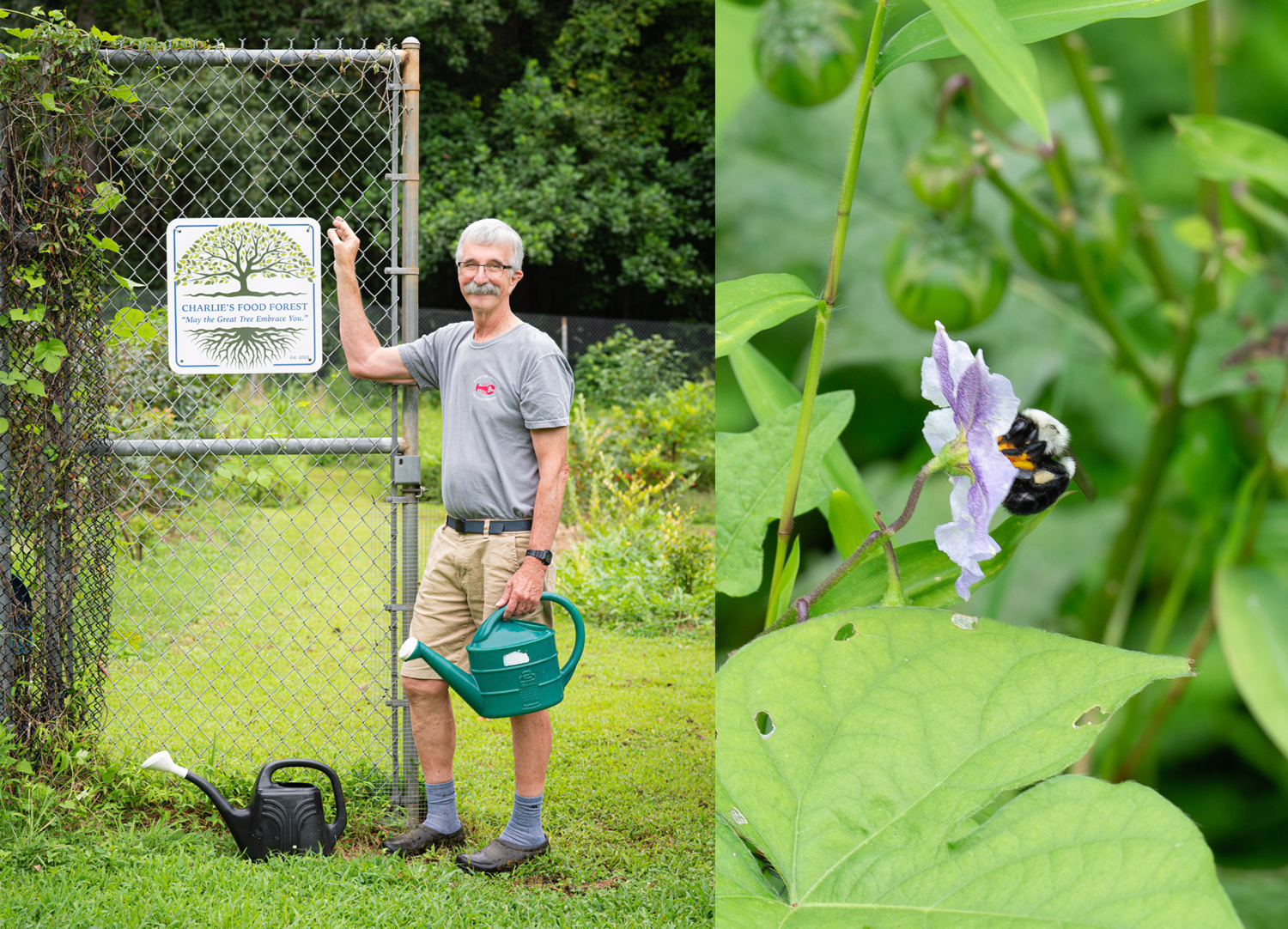
Our second produce garden is our Food Forest, fondly known as Charlie’s Food Forest. It sits within a tall, deer‑resistant fence that once enclosed a goat pasture. Thanks to those goats, the soil is soft, fertile, and a dream to dig in, although we still add compost to support certain plants.
The Food Forest contains a large planting of winged sumac, which we harvest at the end of summer to freeze for the sifakas. Each spring and fall, the horticulture club from Virginia Highlands Community College visits to plant the sumac they’ve collected in the hopes that someday that end of summer harvesting can take place 100% on grounds with no need for mass off-site harvesting.
The Food Forest also houses corn, beans, cucumbers, cantaloupe, pumpkins, watermelons, and a vining kiwi variety, along with a host of fruiting trees: figs, persimmons, pawpaws, Asian pears, apples, and peaches. We also grow redbuds and mimosa trees to harvest their flowers and leaves for lemur browse.
Our Food Forest is also home to native mason bees. We’ve partnered with the wonderful team at Nurtured By Nature Growers, who bring us baby bees each spring and collect their eggs after their short but highly productive lives. Nurtured By Nature Growers are also generous tree patrons, having gifted us many of the fruiting trees now growing in the garden.
Pocket Prairie
Our tour path and organic garden aren’t our only, or even our largest, pollinator havens! If you’ve ever parked in the staff/volunteer lot, you’ve likely noticed the massive native pocket prairie that runs the length of it. This garden uses native plants and mimics what horticulturists believe the Piedmont prairies once looked like. It was installed by the incredible Maegan Luckett of Duke Gardens. Pocket prairies are native plantings installed in otherwise “wasted” spaces, alongside parking lots, roadsides, and similar areas, and they’re a wonderful way to support native wildlife and give a bit of the land back to itself.